
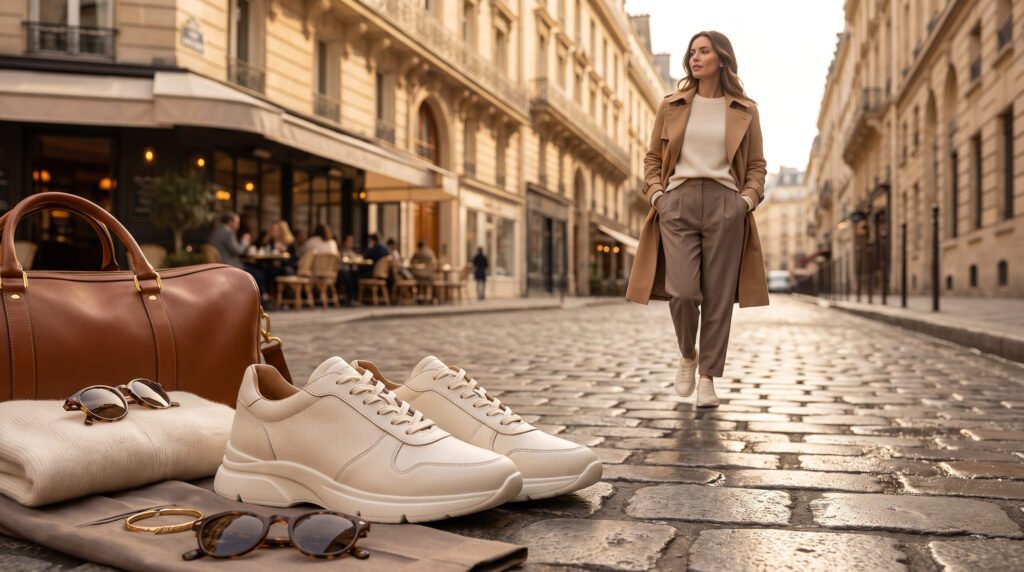
The best stylish walking shoes for Europe travel combine all-day comfort, reliable traction, supportive construction, and a polished appearance that works with everything from tailored trousers to summer dresses. The challenge is finding shoes that look elegant in photographs but remain comfortable through long sightseeing days, uneven cobblestones, museum visits, train stations, and spontaneous evening plans.
The right pair should complement your travel wardrobe without forcing you to sacrifice comfort for style. From minimalist leather sneakers and sophisticated walking trainers to cushioned loafers and supportive sandals, this guide explains which styles are worth considering, what features matter most, and how to choose shoes for your destination, season, and itinerary.
Quick Answer: Which Walking Shoes Are Best for Europe?
For most travelers, stylish leather sneakers or lightweight walking trainers are the most versatile choice for Europe. They pair easily with casual and smart-casual outfits while offering the coverage, cushioning, and stability needed for extensive sightseeing.
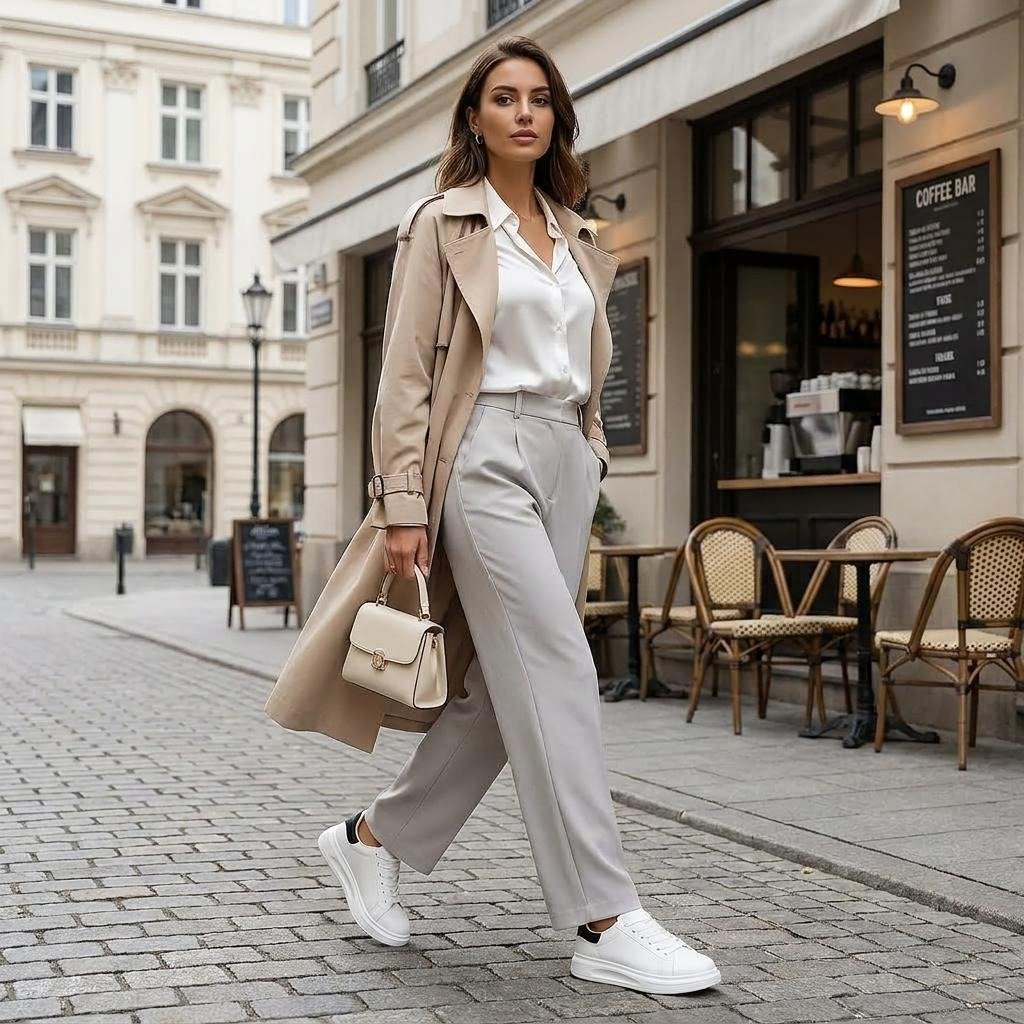
Best overall: Minimalist leather sneakers
A versatile option for city sightseeing, cafés, museums, and casual dinners. Choose a cushioned footbed, flexible upper, and grippy outsole.
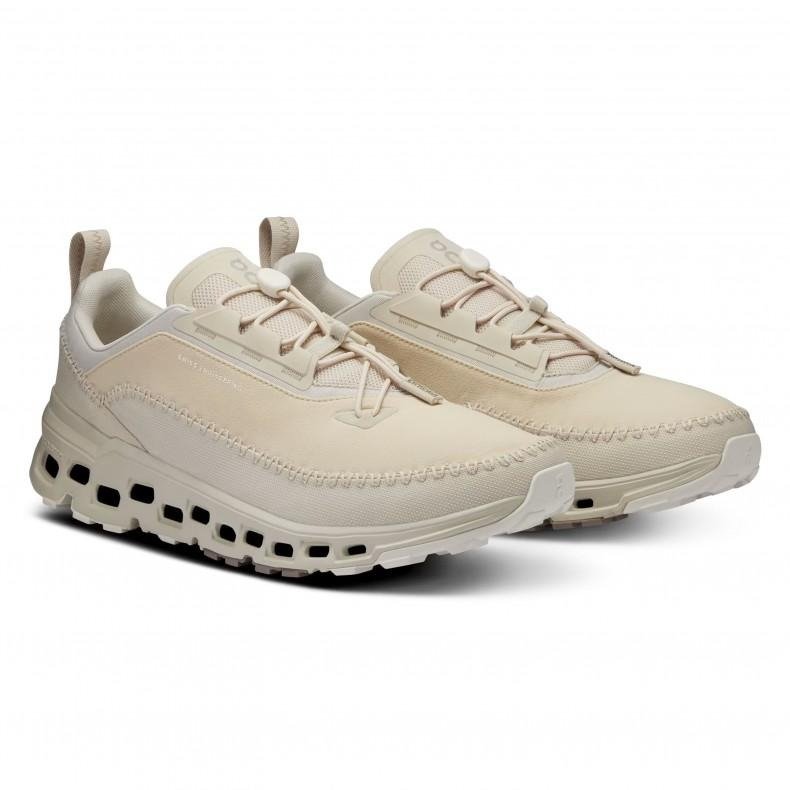
Best for long walking days: Cushioned walking trainers
Ideal for itineraries involving long distances, frequent standing, and multiple sightseeing stops.
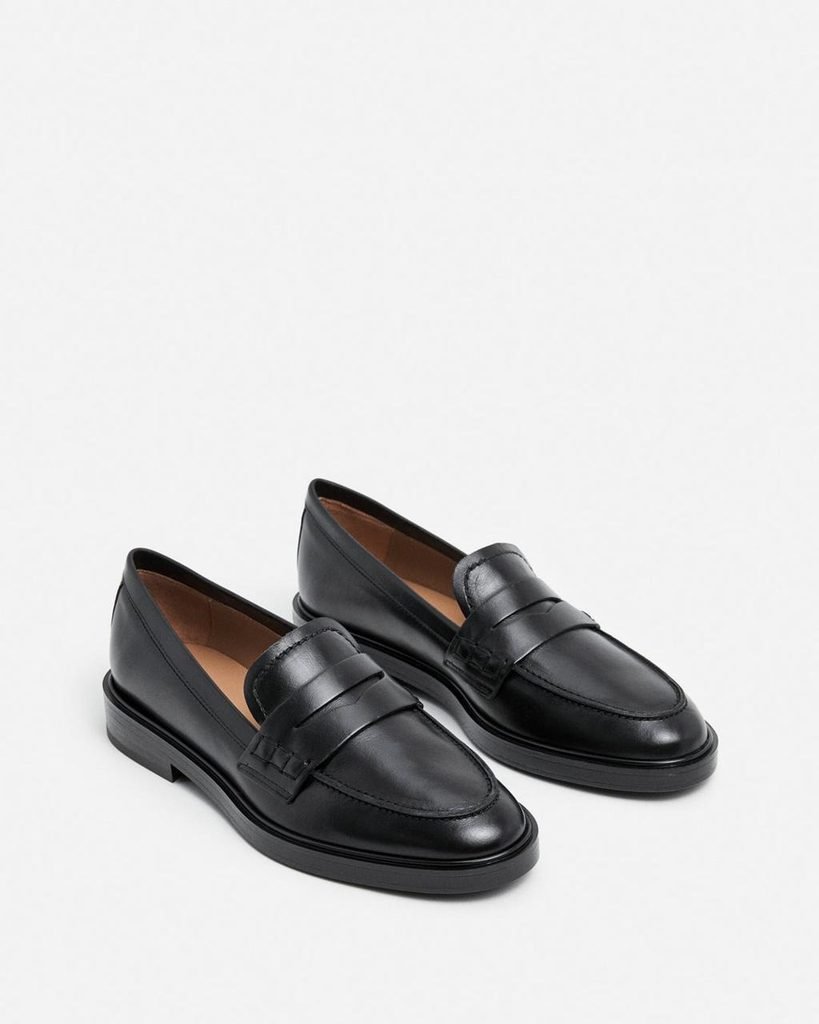
Best smart-casual option: Supportive loafers
A refined alternative for lighter walking days, city restaurants, and outfits that call for a more tailored appearance.
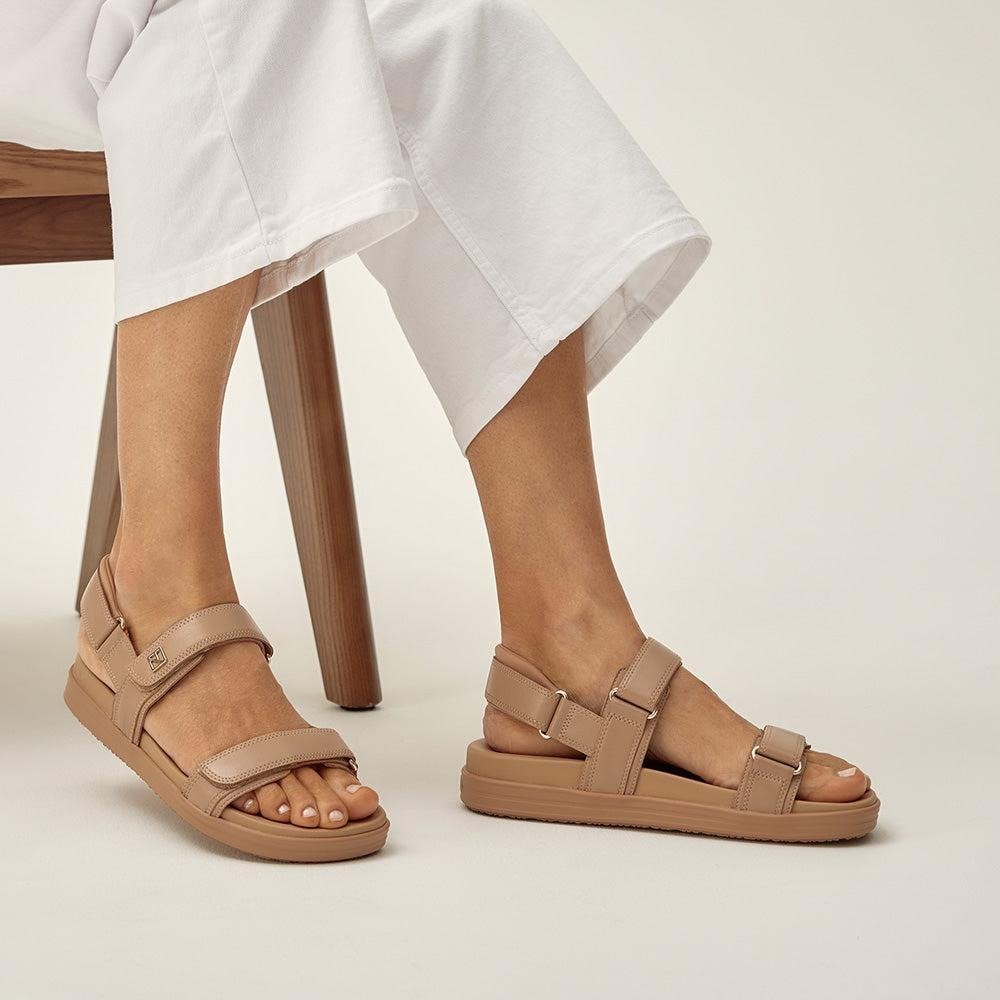
Best for warm weather: Supportive walking sandals
A practical choice for hot Mediterranean destinations when the straps fit securely and the sole provides adequate cushioning and traction.
Before choosing, consider three priorities: how many hours you expect to walk each day, the type of surfaces you will encounter, and how easily the shoes coordinate with your travel wardrobe.
1. The Best Stylish Walking Shoe Styles for Europe Travel
There is no single shoe that suits every European itinerary. A week of museum visits and restaurant reservations calls for something different from a summer holiday involving coastal paths, steep hills, and long outdoor excursions.
The most useful approach is to choose footwear according to walking demands first and personal style second.
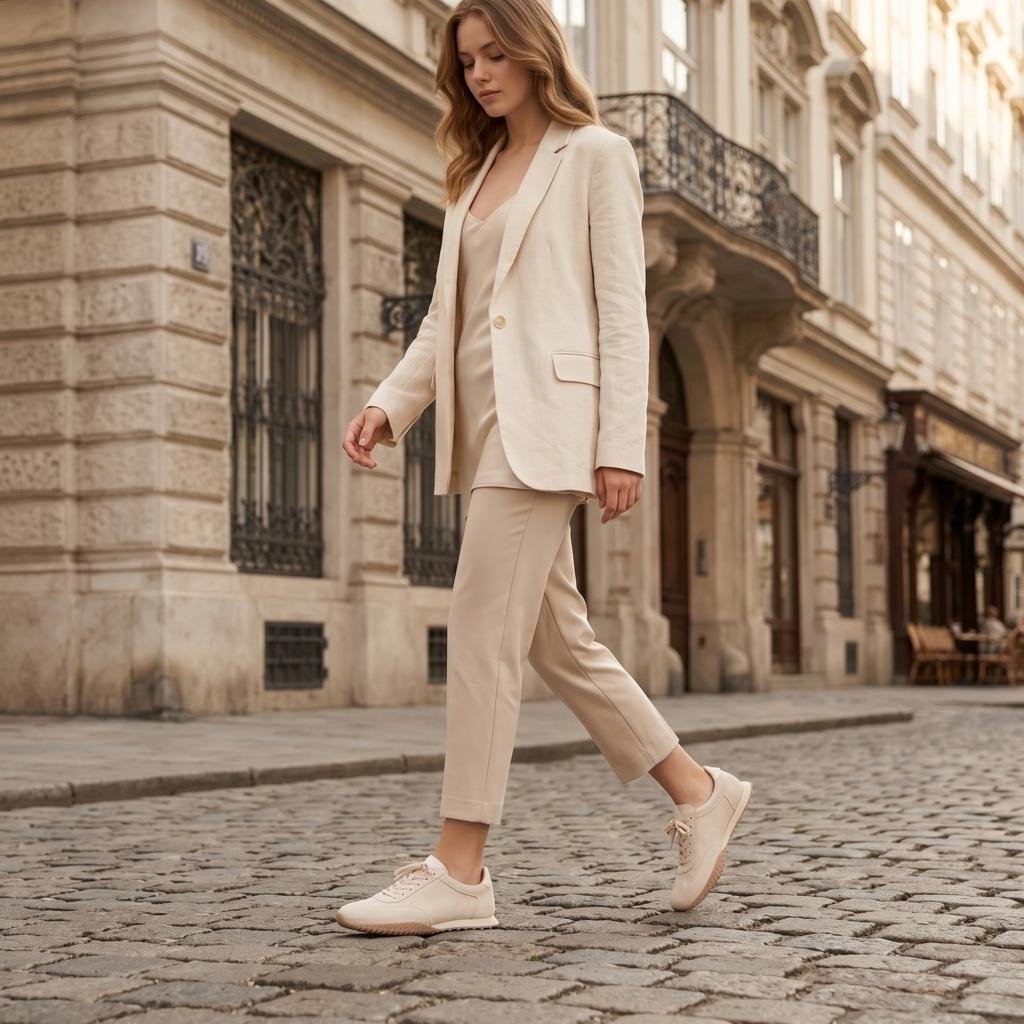
Minimalist leather sneakers: Best overall
8
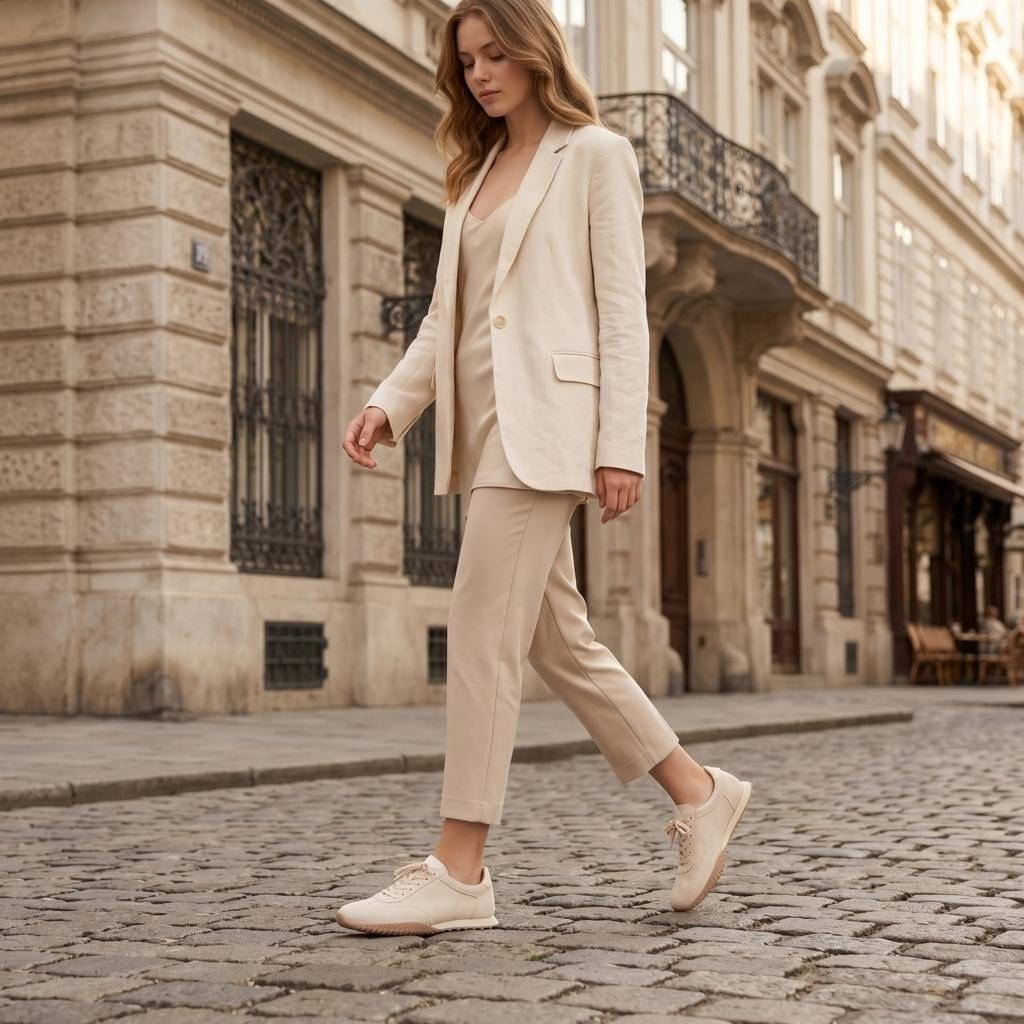
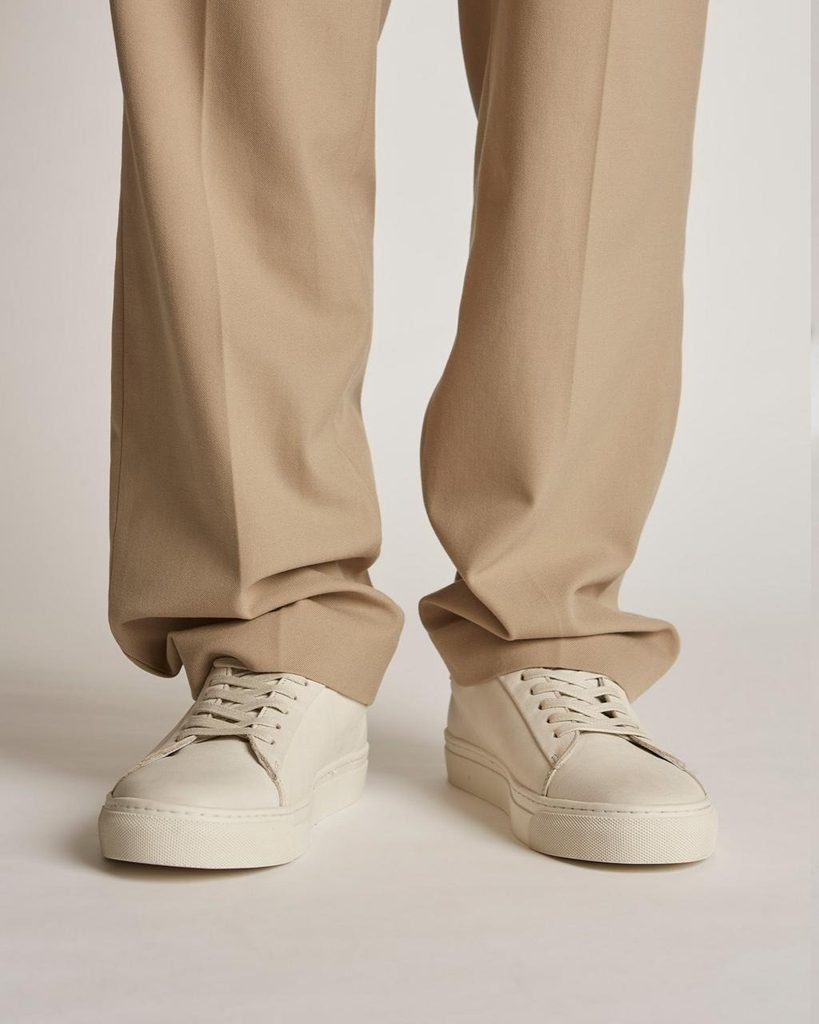
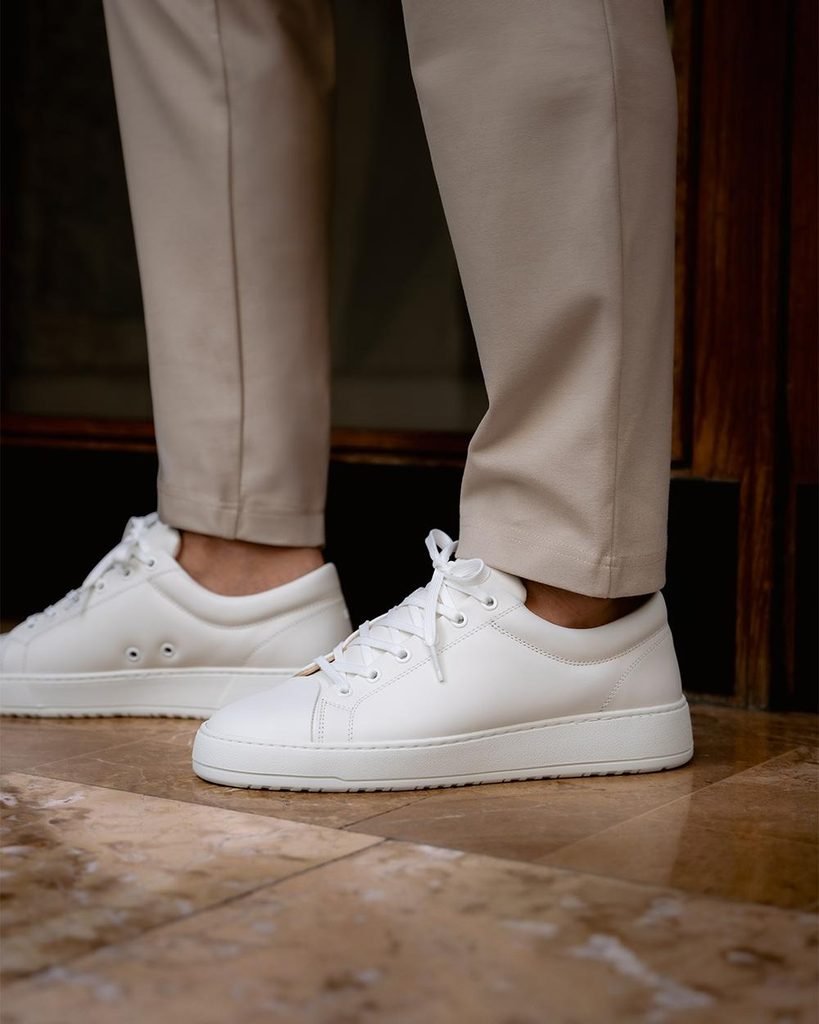
Minimalist leather sneakers are among the easiest shoes to incorporate into a European travel wardrobe. Their clean lines work with jeans, linen trousers, midi skirts, and casual dresses, making them particularly useful for travelers who want to pack fewer items.
Look for a softly padded collar, a cushioned removable or well-constructed footbed, and a rubber outsole with enough grip for uneven pavements. Leather or quality synthetic uppers can also be easier to wipe clean than pale mesh after a dusty day.
Models worth comparing:
- Veja Campo: A fashion-oriented leather sneaker with a clean, understated silhouette.
- Cole Haan GrandPro: A streamlined casual sneaker worth considering if you prefer a polished appearance.
- Adidas Stan Smith: A recognizable minimalist design that pairs easily with everyday travel outfits.
These are style-led candidates rather than a guarantee of all-day comfort. Compare the specific version’s cushioning, fit, outsole, and weight before purchasing. A sleek leather sneaker with a firm, flat sole may be less comfortable over long distances than a more substantial walking trainer.
Best for: Paris, Milan, Amsterdam, Copenhagen, and city itineraries with a mix of sightseeing and casual dining.
Cushioned walking trainers: Best for extensive sightseeing
10
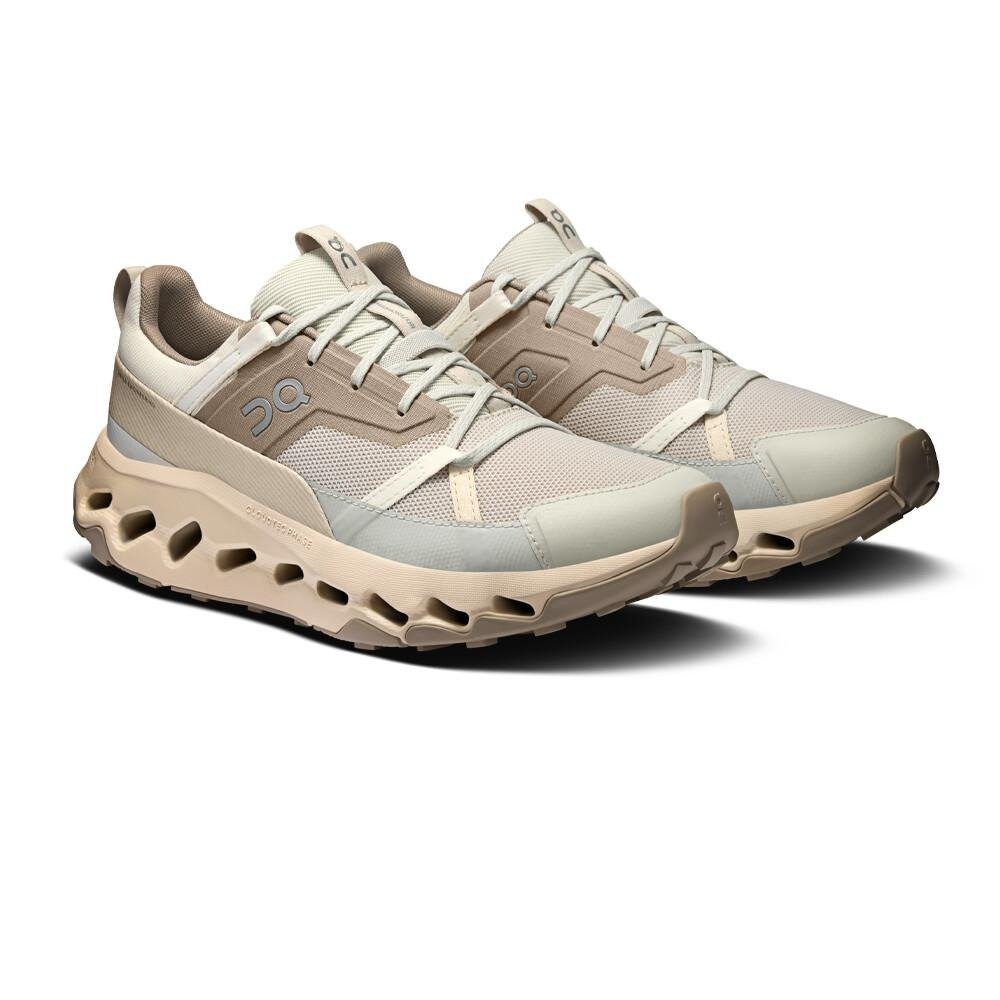
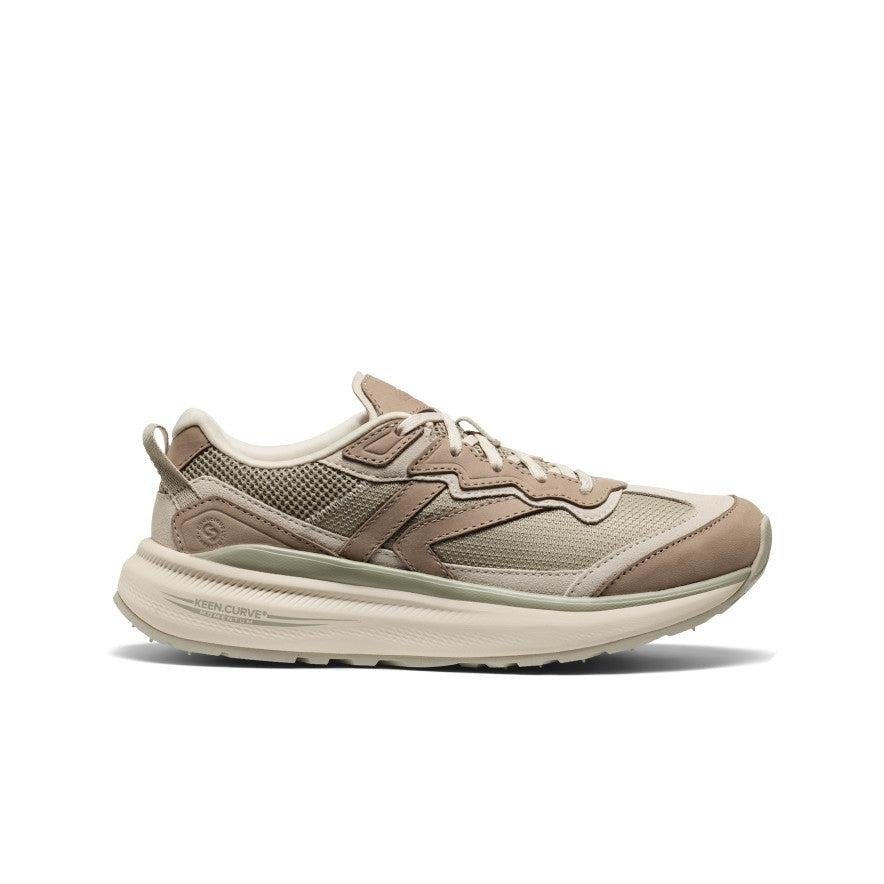
If your plans include full days of walking, long museum queues, and repeated journeys between attractions, prioritize cushioning and stability over an ultra-slim silhouette.
Modern walking and running-inspired trainers are available in muted shades such as cream, stone, taupe, grey, and black. These colors help performance-oriented footwear look more intentional with everyday outfits.
Consider these models:
- HOKA Clifton: Worth exploring if you prefer substantial cushioning without choosing the brand’s most maximalist silhouette.
- On Cloud 6: A streamlined everyday option with a distinctive technical design.
- Brooks Ghost: A running shoe family to consider if comfort and cushioning are more important than a traditional fashion-sneaker appearance.
The fit and feel differ between models and versions. Try the shoes with the socks you intend to travel in, and test them on the surfaces you normally walk on.
Best for: Rome, Lisbon, Edinburgh, and trips involving substantial daily mileage or frequent standing.
Retro trainers: Best for contemporary European style
12
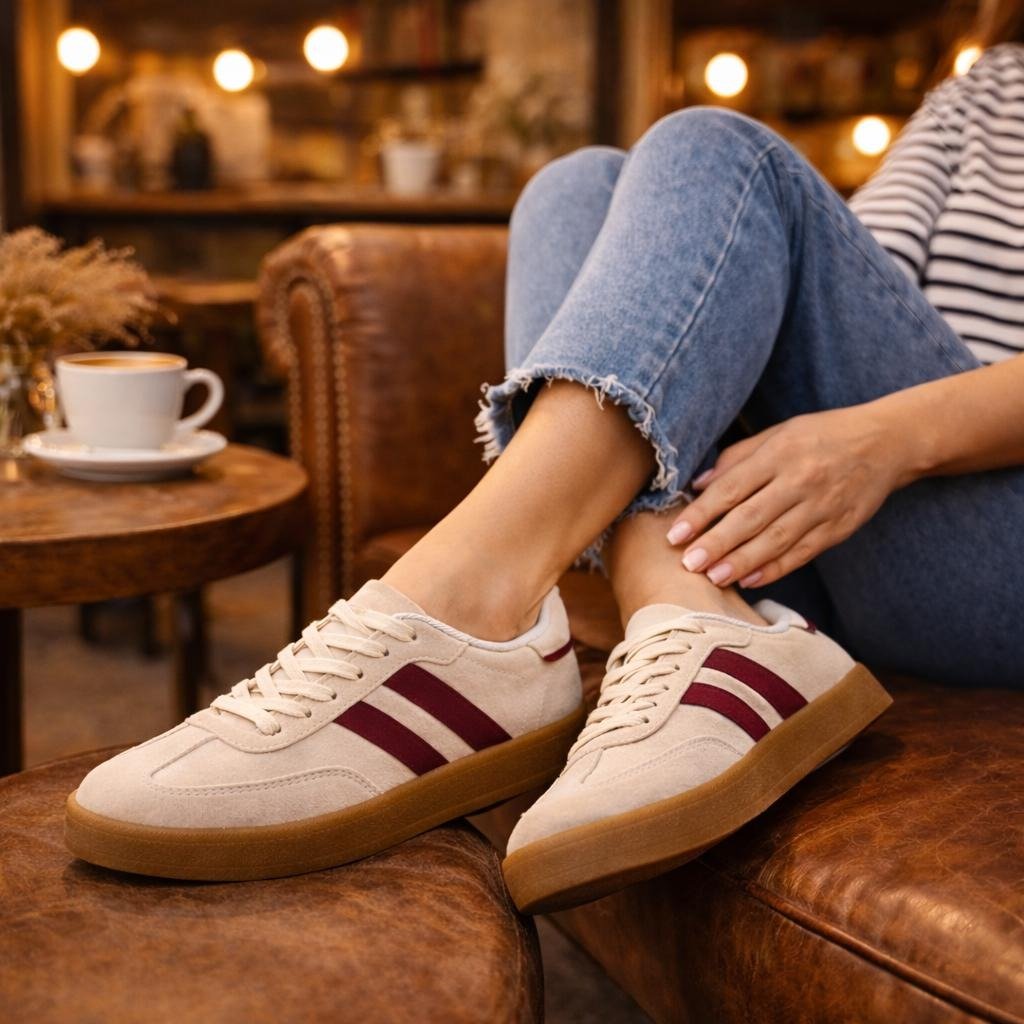
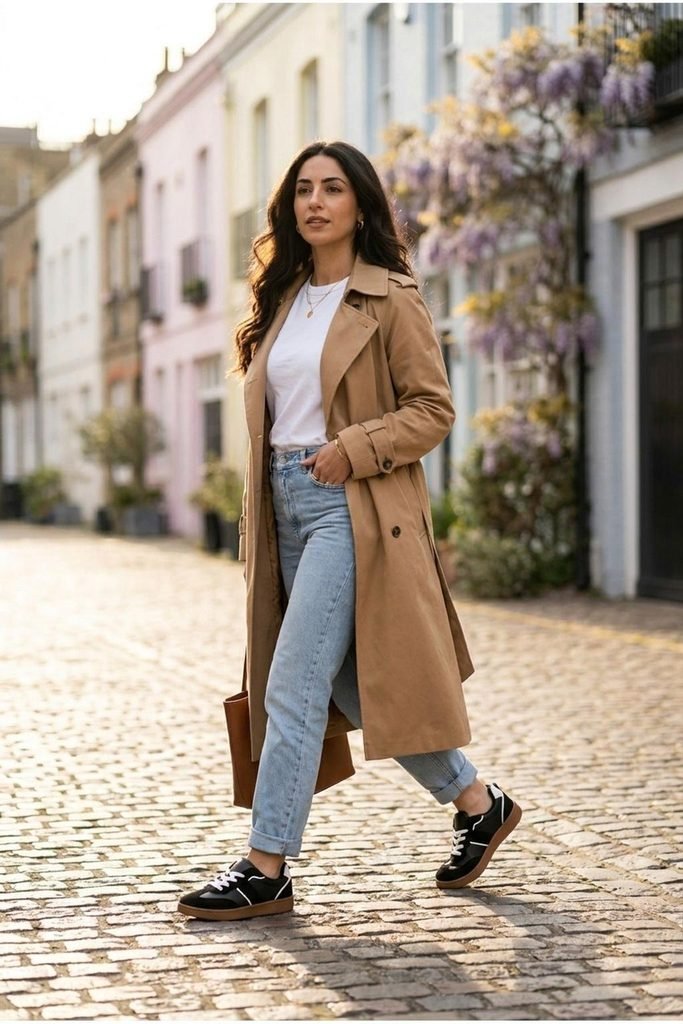
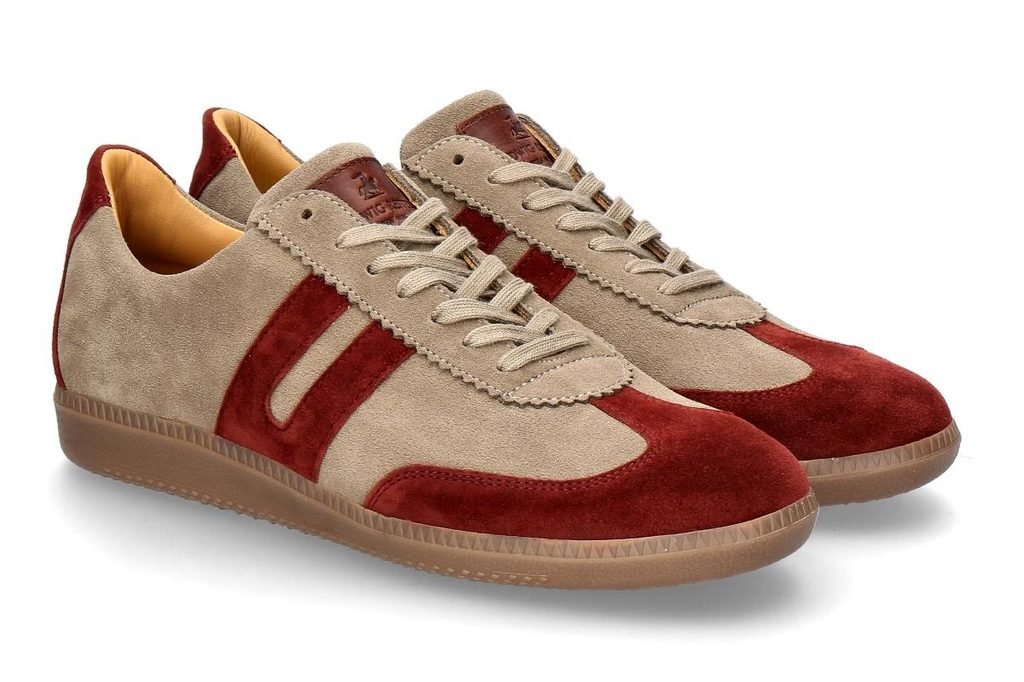
Retro-inspired trainers offer a fashionable alternative to chunky athletic shoes. Their lower profiles and mixed suede-and-leather finishes work especially well with straight-leg jeans, tailored trousers, relaxed blazers, and trench coats.
Options to explore include:
- Adidas Samba OG: A classic low-profile style with a distinctive gum sole.
- New Balance 574: A more substantial casual silhouette with a traditional athletic appearance.
- Puma Palermo: A fashion-focused terrace sneaker with a low-profile design.
The main consideration is underfoot comfort. Some retro trainers have firmer soles, narrower toe boxes, or less cushioning than dedicated walking shoes. They may be excellent for moderate city exploration but are not automatically suitable for every 15,000-step day.
Best for: Fashion-conscious travelers who want their shoes to contribute to the outfit rather than look like specialized sports equipment.
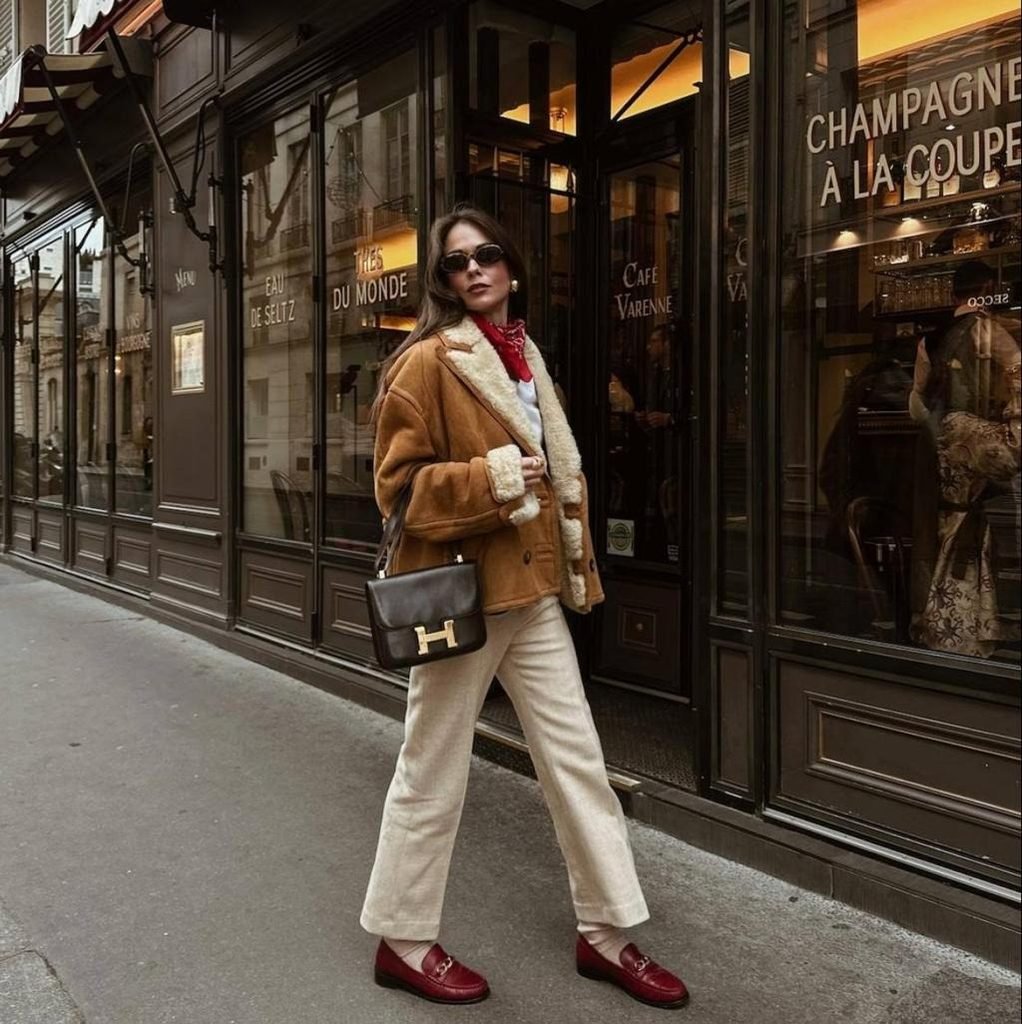
Supportive loafers: Best for polished outfits
12
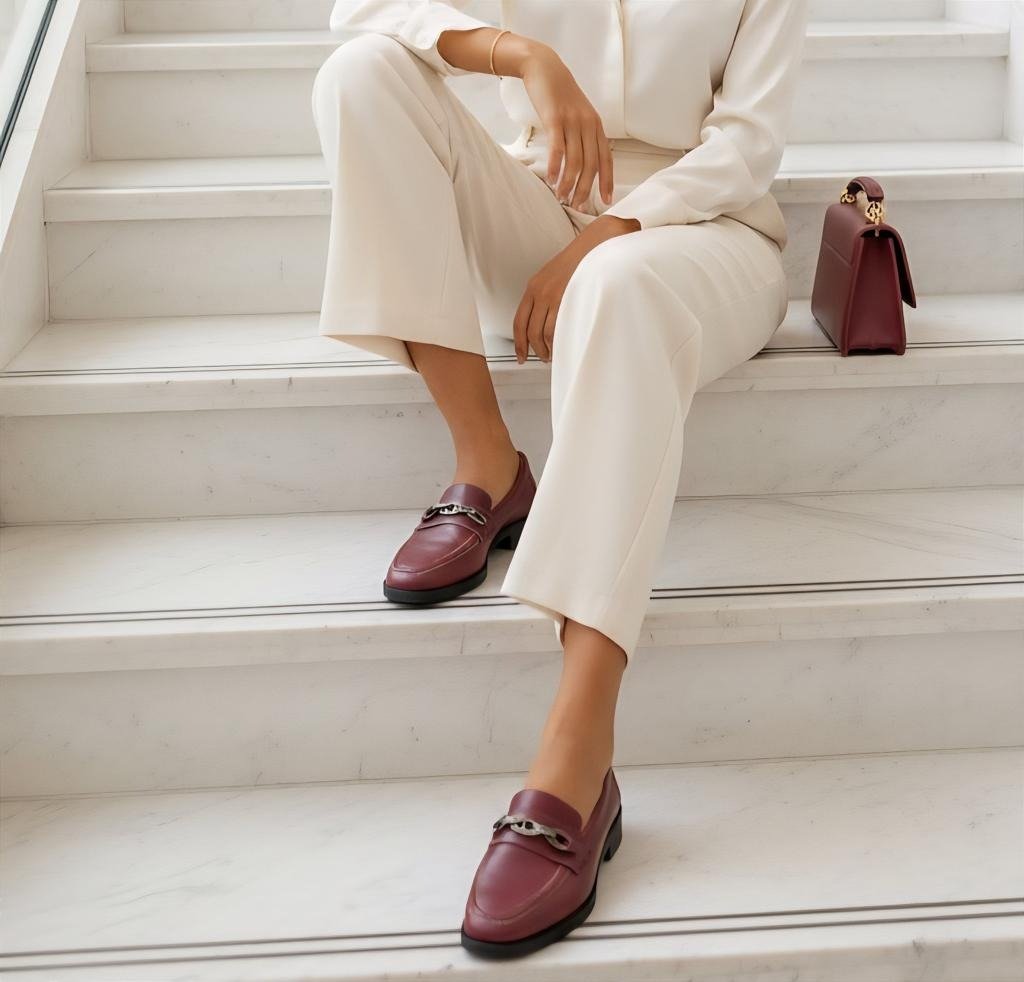
Loafers create a more refined appearance than sneakers and can transition easily from daytime sightseeing to a smart-casual dinner. They are particularly useful in spring and autumn, when a leather upper provides more coverage than sandals.
Choose a pair with a secure heel fit, a sufficiently roomy toe box, a cushioned footbed, and a flexible but stable outsole. A modestly raised heel can be more comfortable for some people than an entirely flat, rigid sole.
Potential options include the Vionic loafers range and selected Naturalizer loafers styles. Evaluate individual models because support features vary.
Avoid assuming that every leather loafer will soften enough to become comfortable. Stiff edges around the heel or instep can cause rubbing, especially when your feet swell during a long day.
Best for: Smart-casual city breaks, lighter walking days, and travelers who prefer tailored outfits.
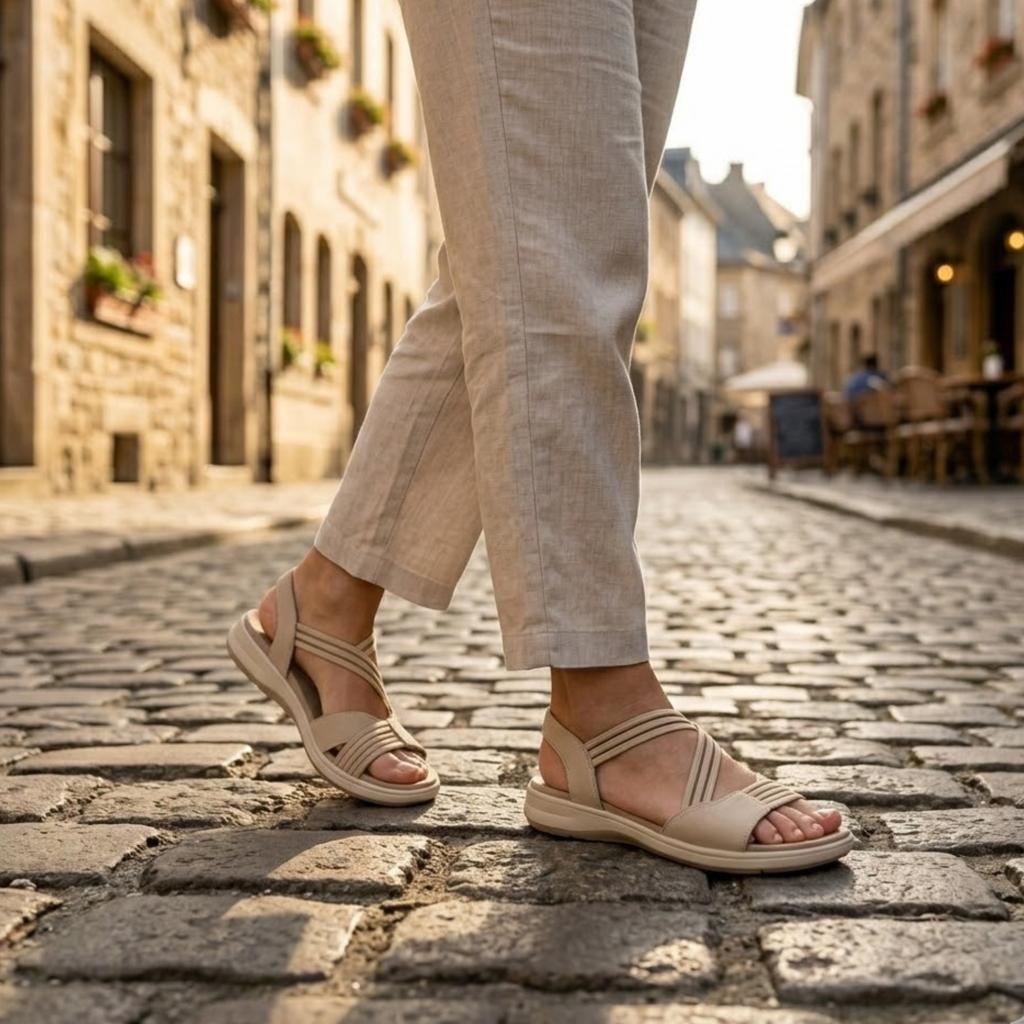
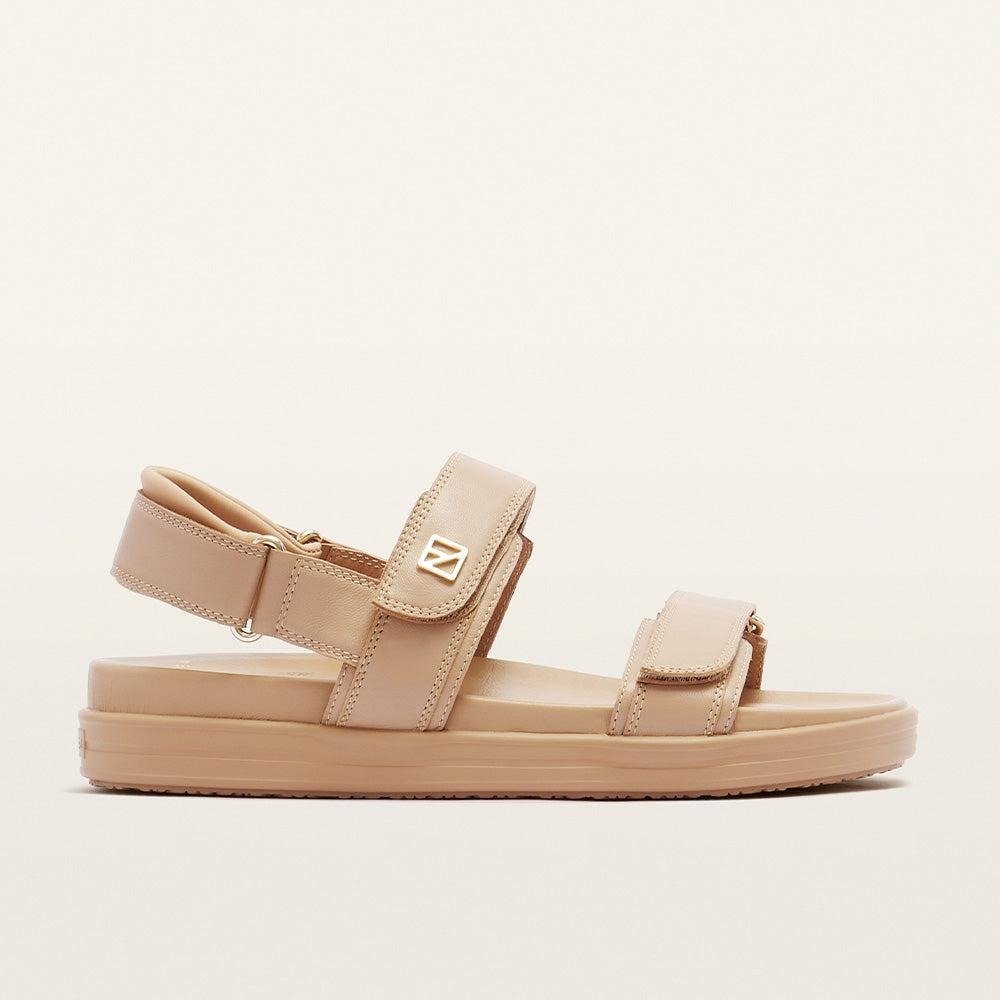
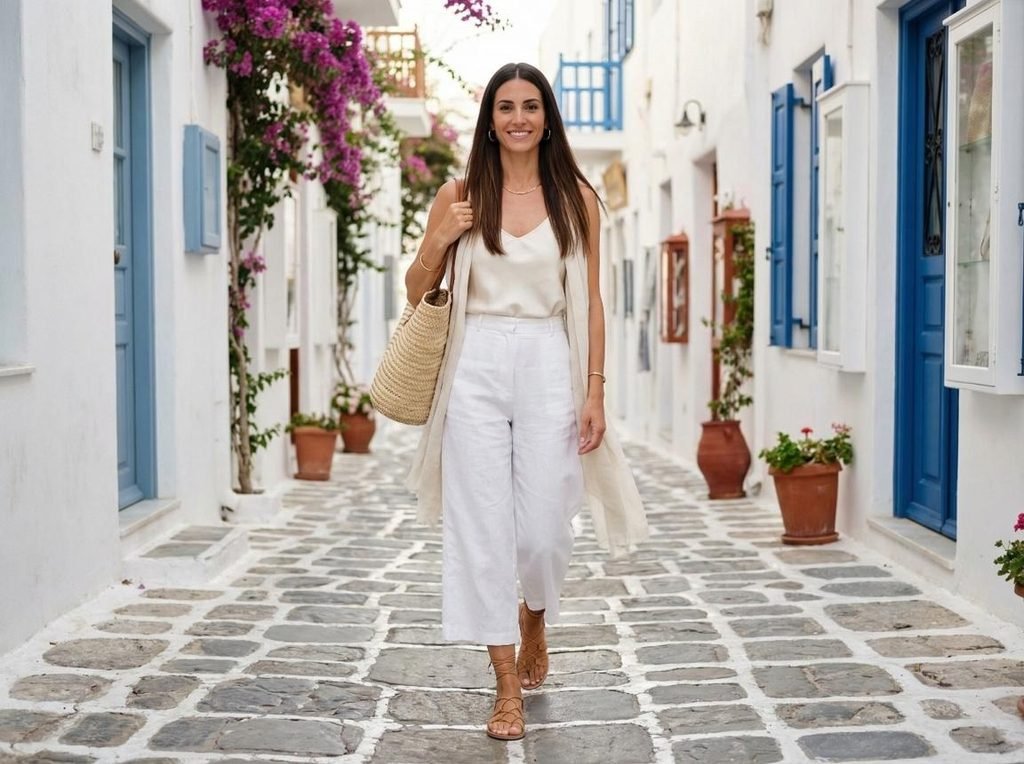
Supportive walking sandals: Best for summer
13
For hot-weather trips to southern Europe, sandals can provide welcome ventilation. However, thin fashion sandals, slippery footbeds, and loose straps are poor choices for lengthy sightseeing routes.
Look for adjustable straps, a secure heel or midfoot fit, a supportive footbed, and a rubber outsole with useful tread. If you expect to walk on steep streets or uneven stone, choose a design that keeps your foot securely in place.
Consider Teva walking sandals for practical, sporty styling or Birkenstock Arizona for a more structured casual look. Neither should be assumed to suit every foot shape or every cobblestone surface.
Sandals also expose your feet to dust, sun, and accidental impacts. For lengthy walking days, closed-toe shoes may be more suitable.
Best for: Warm-weather city breaks, relaxed Mediterranean itineraries, and days with less demanding terrain.
2. Comparison Table: Which Shoes Should You Choose?
| Shoe style | Comfort potential | Style | Best use |
| Leather sneakers | Good if properly cushioned and fitted | Classic and versatile | Everyday sightseeing |
| Cushioned trainers | Often excellent for long distances | Sporty or modern | High-mileage itineraries |
| Retro trainers | Depends on sole and fit | Fashion-forward | Casual city exploration |
| Supportive loafers | Good for suitable feet and moderate walking | Smart and polished | Restaurants and lighter days |
| Walking sandals | Good when secure and supportive | Relaxed and summery | Warm, dry weather |
| Lightweight walking boots | Useful when ankle coverage and weather protection are needed | Outdoor-oriented | Cooler weather and mixed terrain |
Comfort potential is not a standardized performance rating. The right choice depends on your foot shape, preferred cushioning, walking volume, and the specific shoe model.
For most travelers, one versatile pair of walking sneakers should be the foundation of the footwear plan. Add a second pair only when your itinerary, weather, or evening dress requirements justify the extra luggage space.
3. What Makes Walking Shoes Suitable for European Cobblestones?
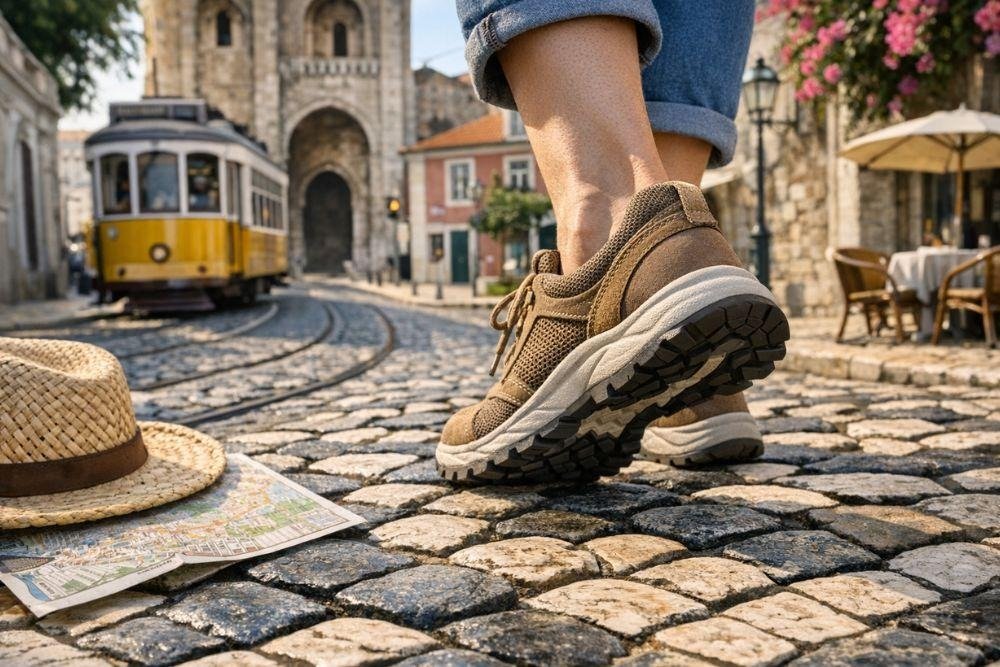
Cobblestones can be more demanding than smooth indoor floors because the surfaces vary in height, texture, and grip. Old stone streets, polished paving, steep lanes, and wet sidewalks may all appear on the same day.
A fashionable shoe does not need to look bulky to perform well, but its construction matters.
Cushioning without instability
A cushioned midsole can make long walks more comfortable by reducing the sensation of repeated impacts. However, extremely soft or tall soles can feel unstable on irregular surfaces for some wearers.
Look for a shoe that feels comfortable under your heel and forefoot while keeping your foot securely positioned. Walk on a slightly uneven surface, if available, before deciding.
Reliable outsole traction
Rubber outsoles with a useful tread pattern generally provide a better starting point than smooth, worn, or highly polished soles. Traction becomes especially important on wet stone, sloping streets, and outdoor staircases.
No shoe is completely slip-proof. Slow down on wet paving and avoid assuming that a premium price guarantees superior grip.
A secure upper and heel fit
Shoes that allow your feet to slide forward or lift at the heel can increase friction and make blisters more likely. Adjustable laces are useful because they let you fine-tune the fit as your feet change throughout the day.
Check that the upper holds your foot comfortably without squeezing your toes or creating pressure across the instep.
Enough room for natural foot movement
Your feet may swell after hours of walking, particularly in warm weather. The toe box should allow your toes to spread naturally without pressing against the front or sides.
If you use orthotics, check whether the shoe’s insole can be removed and whether the replacement leaves adequate space. A roomy-looking shoe is not necessarily wide enough internally.
4. How to Choose Shoes for Different European Destinations
Different destinations place different demands on your footwear. Use the itinerary as a guide rather than relying on broad assumptions about an entire country.
| Destination or setting | Recommended footwear | Why it works |
| Paris and Milan | Minimalist leather sneakers | Coordinates with smart-casual outfits |
| Rome and Florence | Cushioned sneakers with grippy rubber soles | Useful for extended sightseeing and historic paving |
| Lisbon and Porto | Secure walking trainers with reliable traction | Better suited to hills and uneven streets |
| Amsterdam and Copenhagen | Lightweight sneakers or walking trainers | Versatile for everyday city walking |
| Swiss towns and mountain excursions | Supportive walking shoes or suitable hiking footwear | Better suited to routes with changing terrain |
| Mediterranean summer destinations | Breathable sneakers and supportive sandals | Allows you to adapt to heat and different activities |
| London, Edinburgh, and other rainy destinations | Weather-resistant sneakers or walking shoes | Helps manage damp pavements and changing conditions |
These are practical starting points, not guarantees about local conditions. A mountain excursion requires different footwear from a day spent in a city center, even when both are part of the same holiday.
For steep destinations, prioritize grip, stability, and a secure fit. For warm, dry cities, breathability and lighter construction may matter more. If rain is likely, consider how quickly the upper dries and whether the sole remains reliable on wet paving.
5. How to Style Walking Shoes Without Sacrificing Comfort
The easiest way to create a polished travel wardrobe is to choose shoes that coordinate with several outfits rather than packing a different pair for every occasion.

The classic city look
Pair white or ivory sneakers with straight-leg denim, a neutral knit, and a lightweight trench coat. The result feels timeless without appearing overly formal.
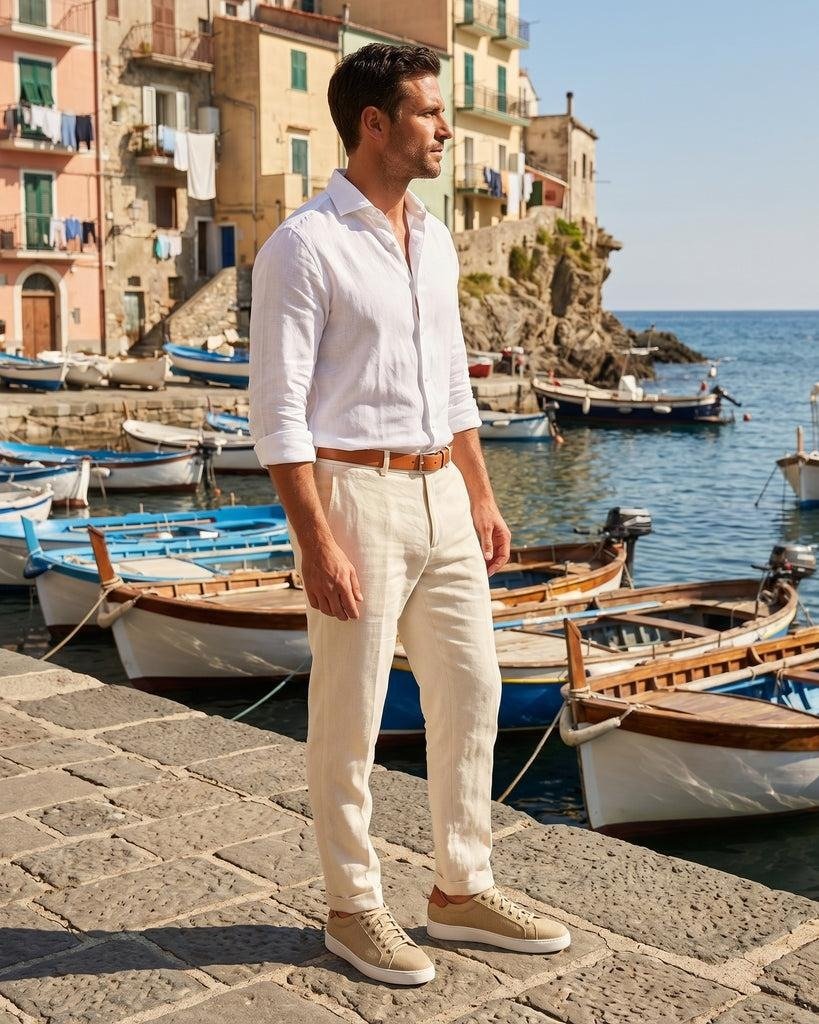
The summer capsule
Combine breathable trainers with linen trousers, a relaxed shirt, and a compact crossbody bag. Sand or cream footwear works particularly well with warm neutrals.
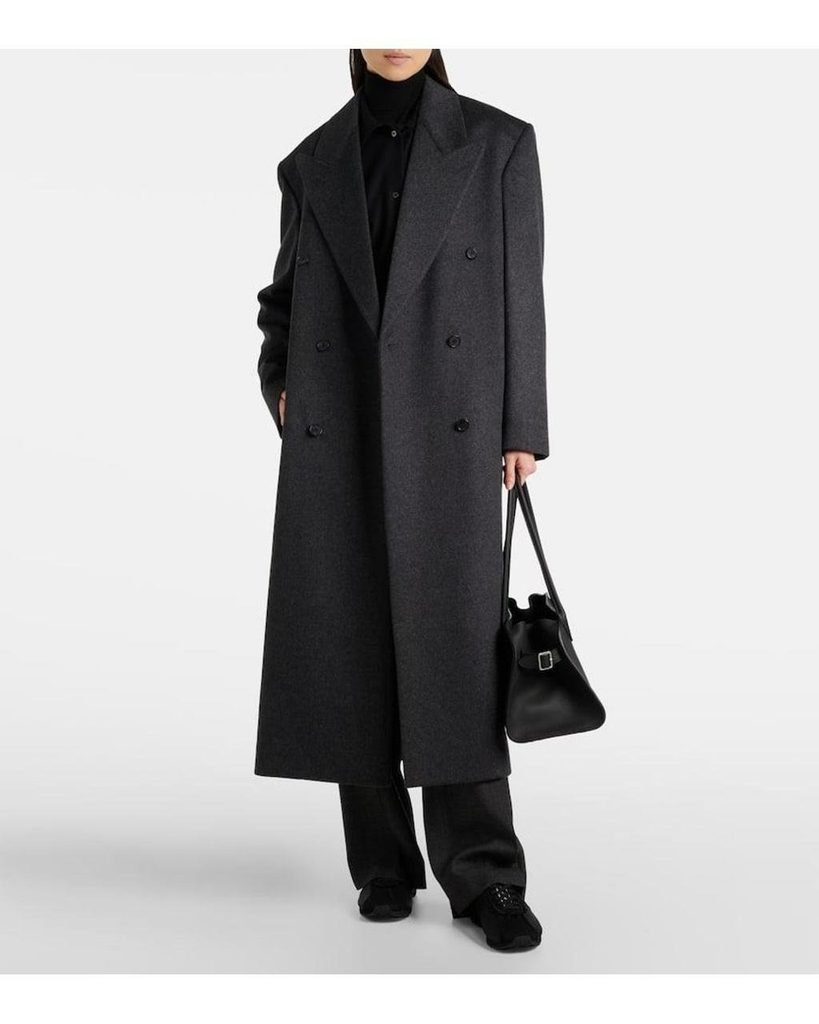
The autumn wardrobe
Black or charcoal sneakers pair naturally with dark denim, tailored trousers, and a wool coat. Darker uppers can also make everyday marks less visible.

The smart-casual evening
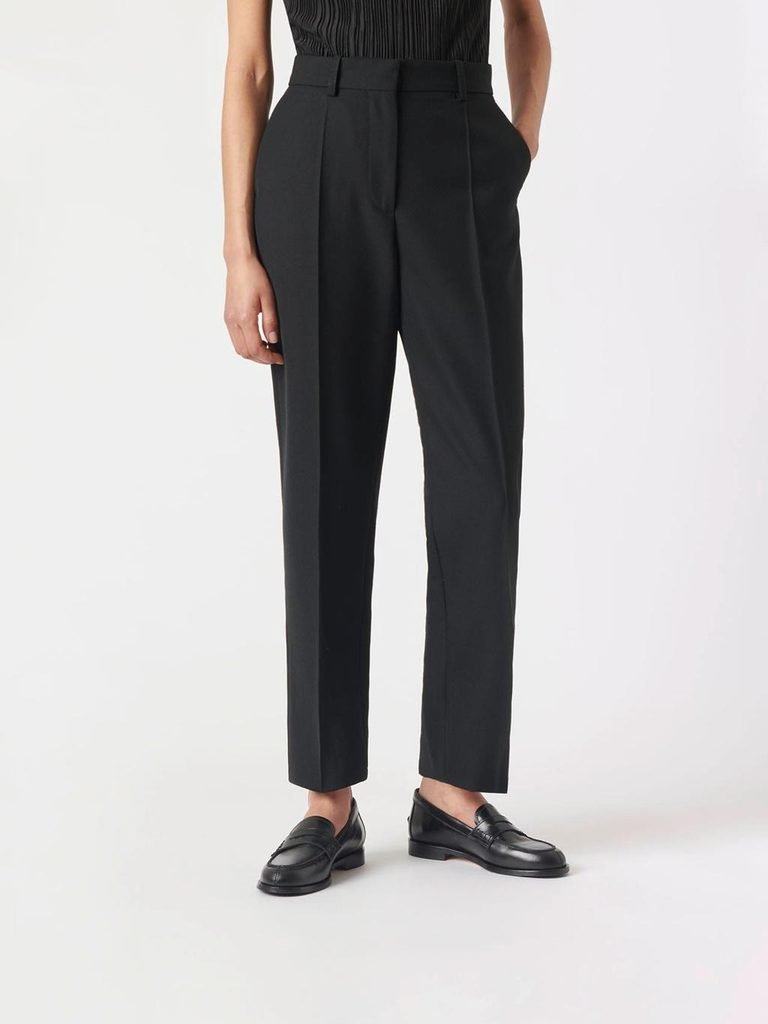
Wear supportive loafers with tailored trousers, a fine knit, or a simple midi skirt when the evening calls for a more polished silhouette.
Which shoe colors are easiest to pack?
- White and ivory: Work with most neutral wardrobes but show dirt more readily.
- Beige and taupe: Blend easily with linen, camel, cream, and earthy colors.
- Black: Practical for darker outfits, cooler seasons, and concealing everyday marks.
- Grey: A versatile option that can look understated with both athletic and casual clothing.
- Brown or burgundy: Adds character to a capsule wardrobe and complements autumn colors.
If you are packing one pair, choose a color that works with at least three or four complete outfits. Neutral shoes generally provide the greatest flexibility.
6. How Many Pairs of Shoes Should You Pack for Europe?
For most city-focused trips, two pairs are a sensible balance between comfort, outfit variety, and luggage space. One pair should handle the majority of your walking, while the second serves a specific purpose.
If you are traveling with a single backpack, one main pair plus a compact secondary option may be more practical.
A practical footwear packing plan
| Trip style | Suggested footwear |
| 3-day weekend | One versatile walking pair |
| 7-day city break | Walking sneakers plus loafers or sandals |
| 10–14-day multi-city trip | Main walking shoes plus a weather- or activity-specific pair |
| Summer Mediterranean holiday | Walking sneakers plus supportive sandals |
| Autumn or winter city trip | Weather-resistant walking shoes plus suitable boots if needed |
| Hiking and city combination | City sneakers plus activity-appropriate hiking footwear |
These are planning guidelines, not strict rules. If your shoes are likely to get wet, you may appreciate a second pair that can dry while you wear the other.
One-bag packing checklist
- Choose one primary walking shoe that is comfortable for your longest planned day.
- Select a second pair only if it adds a meaningful function.
- Wear your bulkiest shoes during transit to save luggage space.
- Pack lightweight socks that work with your chosen footwear.
- Carry blister plasters or suitable blister-prevention supplies.
- Use a shoe bag to separate footwear from clean clothing.
- Leave enough room for shoes to fit without compressing other essentials.
For more efficient luggage planning, combine this approach with a practical [one-bag travel packing list] and a [carry-on packing strategy] that prioritizes versatile items.
7. How to Prevent Blisters and Foot Fatigue
Even a well-designed shoe can become uncomfortable when the fit is wrong or the walking demands exceed what you have prepared for.
Break in your shoes before departure
Do not make your first long walk in a new pair on the first day of your European holiday. Wear the shoes on several shorter walks and gradually increase the distance.
Pay attention to rubbing around the heel, pressure over the toes, and discomfort beneath the forefoot. If a problem persists, a longer break-in period may not solve it; a different size or model may be necessary.
Choose suitable socks
Thin, smooth socks can work well with close-fitting leather sneakers, while moisture-managing walking socks may be more appropriate for cushioned trainers and longer routes.
Avoid socks that bunch up, slip down, or create pressure points. Seam placement and fabric thickness can affect the fit of the shoe.
Account for swelling
Shoes that feel perfect in the morning may feel tighter later in the afternoon. Try footwear late in the day when possible, and leave enough room for natural foot movement.
Lacing adjustments can improve comfort, but do not compensate for a shoe that is fundamentally too narrow or too short.
Alternate shoes when possible
Different pairs distribute pressure differently. Alternating between suitable shoes may help reduce repeated rubbing and allow a damp pair to dry.
If you develop persistent pain, swelling, numbness, or a worsening blister, reduce walking and address the problem rather than pushing through it.
8. Common Mistakes to Avoid When Buying Stylish Walking Shoes
Choosing appearance over fit. A beautiful shoe is not useful if it creates pain after an hour. Evaluate fit and comfort before color or silhouette.
Assuming every sneaker is a walking shoe. Fashion sneakers can have firm soles, limited cushioning, or inadequate grip. Inspect the actual construction rather than relying on the category name.
Buying shoes immediately before departure. This leaves little time to identify rubbing or sizing problems.
Choosing completely flat, rigid footwear for long distances. Some people find such shoes comfortable, but others need more cushioning and structure. Match the shoe to your feet and walking habits.
Packing too many pairs. Extra footwear takes up valuable space and adds weight. Every pair should have a clear purpose.
Ignoring wet-weather conditions. Smooth soles can be slippery on damp stone. Water-resistant uppers may also dry slowly, so consider the forecast and your planned activities.
Assuming expensive means comfortable. Price, branding, and appearance do not guarantee a good fit. A moderately priced walking trainer may suit your needs better than a designer sneaker.
9. How to Test Walking Shoes Before Your Europe Trip
Use this simple checklist when comparing potential purchases.
- Try both shoes on and check that your toes have sufficient room.
- Walk for at least 10–15 minutes in the shop or at home.
- Check for heel slippage, pressure points, and rubbing.
- Walk on a range of safe surfaces, including pavement and gentle slopes.
- Assess whether the sole feels stable rather than excessively soft or wobbly.
- Test the shoes with your intended travel socks.
- Confirm that any orthotics fit properly inside the shoe.
- Wear the shoes on progressively longer walks before your trip.
- Check the return policy before wearing them outdoors.
The final test is whether the shoes remain comfortable after repeated use, not simply whether they feel soft during the first few minutes.
For travelers with persistent foot pain or specific foot conditions, a podiatrist can help identify suitable footwear characteristics. Individual needs may differ considerably from general recommendations.
FAQs
1. What are the best stylish walking shoes for Europe travel?
Minimalist leather sneakers and cushioned walking trainers are strong starting points for most city trips. Leather sneakers offer wardrobe versatility, while walking trainers are worth considering for extensive sightseeing. The best option depends on your fit, comfort preferences, terrain, and daily walking distance.
2. Are white sneakers good for walking around Europe?
Yes, provided they have adequate cushioning, a comfortable fit, and a grippy outsole. White leather sneakers are especially versatile with jeans, linen trousers, and dresses, although they require more cleaning than darker footwear. Avoid choosing a completely flat fashion sneaker solely for its appearance.
3. Are stylish sneakers comfortable enough for European cobblestones?
Some are, but not all. Look for a secure fit, stable cushioning, a durable rubber outsole, and useful traction. Test the shoes on uneven surfaces before traveling, and exercise extra caution when cobblestones are wet.
4. Should I bring sneakers or sandals to Europe in summer?
For most extensive sightseeing days, sneakers provide useful protection and a secure fit. Supportive sandals are valuable in hot weather and for lighter walking days. If luggage space permits, bringing both gives you greater flexibility across different temperatures and activities.
5. Can I walk 20,000 steps a day in fashionable shoes?
Potentially, if the shoes are designed for sustained walking and are well suited to your feet. Build up to long distances before departure, use suitable socks, and address discomfort early. No particular shoe guarantees that 20,000 steps will be comfortable for every traveler.
Conclusion
The best stylish walking shoes for Europe travel are the pairs that combine dependable comfort with a design you genuinely enjoy wearing. For most travelers, minimalist leather sneakers provide the strongest balance of versatility and appearance, while cushioned walking trainers are a practical choice for demanding sightseeing itineraries. Supportive loafers and sandals can complement these options when the weather or occasion calls for something different.
Choose footwear based on fit, cushioning, traction, and your actual itinerary rather than appearance alone. Break in your shoes before departure, keep your travel wardrobe coordinated, and pack only the pairs that serve a clear purpose.
A thoughtfully chosen pair will help you spend less time thinking about your feet and more time enjoying the architecture, cafés, museums, and streets that make European travel memorable.