
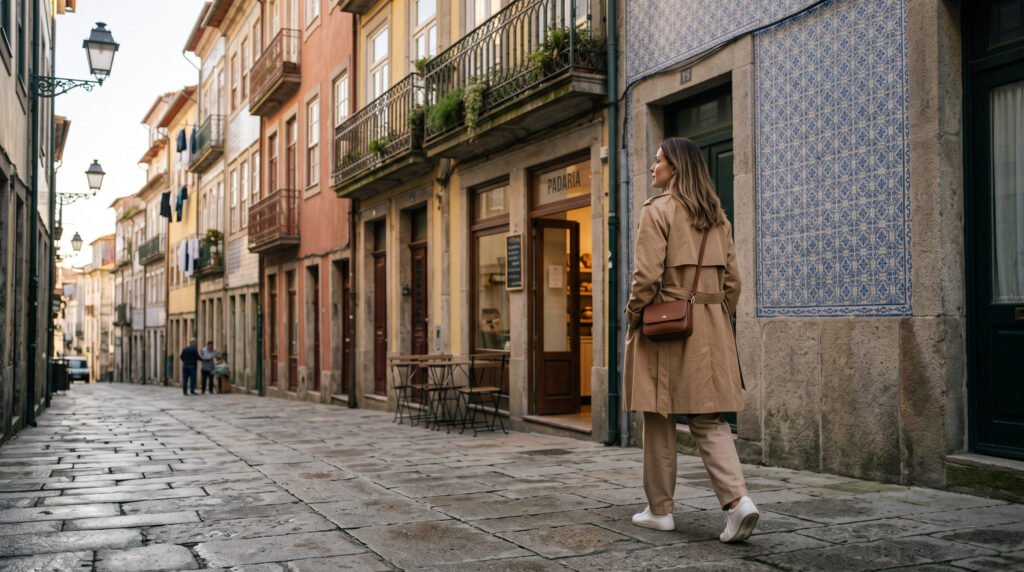
A slow travel guide and tips for beginners can help you move beyond rushed itineraries, crowded attractions, and the pressure to see everything in a single trip. Instead of changing destinations every day, slow travel encourages you to spend more time in fewer places, understand local culture, and create a travel experience that feels less stressful and more personal.
You do not need months of vacation time, an unlimited budget, or extensive travel experience to get started. Even a long weekend spent exploring one neighborhood, shopping at local markets, and leaving room for unplanned discoveries can introduce you to the slow travel mindset.
The key is to plan less aggressively while making thoughtful decisions about where you stay, how you move around, and what you want to experience. This guide explains how slow travel works, how to plan your first trip, how to manage costs, and which common mistakes beginners should avoid.
Slow Travel at a Glance: What Beginners Need to Know
Slow travel is an approach to exploring a destination at a more relaxed pace, prioritizing meaningful experiences, cultural understanding, and local connections over the number of places visited.
Here is a simple starting point:
- Choose one destination: Focus on a city, small town, coastal region, or countryside area rather than several distant locations.
- Stay longer when possible: Spend several nights in one accommodation instead of moving every day.
- Build a flexible itinerary: Choose a few priorities and leave space for spontaneous activities.
- Use local transportation: Walk, cycle, or take public transportation when practical and safe.
- Support local businesses: Eat at independent restaurants, shop at neighborhood markets, and book locally operated experiences.
- Pack thoughtfully: Bring versatile clothing and essential items that make longer stays easier.
- Set a realistic budget: Account for accommodation, meals, transportation, activities, and unexpected expenses.
- Travel with curiosity: Learn a few local phrases, observe everyday routines, and respect cultural customs.
Beginner tip: For your first slow travel experience, try spending three to five nights in one destination. It is long enough to experience a different rhythm without requiring an extended vacation.
What Is Slow Travel, and Why Is It Becoming Popular?
Slow travel is a travel philosophy that emphasizes depth over quantity. Rather than rushing between landmarks, travelers give themselves time to understand a destination’s everyday life, landscape, traditions, food, and people.
Imagine spending four days in one European city instead of visiting three cities in the same period. You might explore a historic district on foot, return to a favorite café, visit a neighborhood market, and discover a small museum that was not on your original itinerary.
The value comes from having enough time to notice details that rushed sightseeing often overlooks.
Slow travel is also associated with more intentional spending, reduced transportation between destinations, and a stronger interest in responsible tourism. However, it does not automatically make every trip cheaper or more sustainable. Longer accommodation stays can cost more upfront, and environmental benefits depend on your transportation choices and overall travel habits.
Slow Travel vs. Traditional Fast-Paced Travel
| Travel factor | Slow travel | Fast-paced travel |
|---|---|---|
| Destination planning | Fewer places, explored in depth | Several places in a short period |
| Daily schedule | Flexible and relaxed | Often tightly organized |
| Accommodation | Longer stays in fewer places | Frequent hotel changes |
| Transportation | Fewer transfers and more local movement | More intercity transfers |
| Cultural experiences | Everyday routines and local connections | Often focused on major attractions |
| Budget priorities | Longer stays and intentional spending | Transport between destinations and sightseeing |
| Best suited to | Curious travelers who enjoy depth | Travelers with limited time and many priorities |
Neither approach is universally better. If you have only a few days and want to visit a specific landmark, a structured itinerary may suit you. If you prefer understanding a place rather than collecting destinations, slow travel may be a better fit.
Is Slow Travel Suitable for Beginners?
Absolutely. Slow travel can make a first trip easier because it reduces the number of logistical decisions you must manage.
You have fewer check-ins, fewer train connections to coordinate, and more opportunities to become comfortable with your surroundings. If you feel uncertain about navigating an unfamiliar city, staying in one neighborhood for several nights gives you time to learn the local transport system and identify useful services.
You can also adapt the approach to your circumstances. A family might spend a week in a coastal town, a solo traveler might explore one walkable city, and a couple might rent a countryside cottage for a few days.
You do not need to follow a strict philosophy. The objective is to create a trip that feels rewarding rather than exhausting.
1. Choose the Right Destination for Your First Slow Travel Trip
Your destination can determine how easy it is to travel slowly. Beginners should prioritize places that offer a comfortable combination of walkability, convenient transportation, accessible accommodation, and enough activities to fill several days without constant excursions.
A destination does not need to be famous to be rewarding. Sometimes, a smaller city or a quiet neighborhood provides a more comfortable introduction to slow travel than a crowded tourist center.
Look for These Destination Qualities
Walkable neighborhoods: Choose an area where you can reach cafés, grocery stores, parks, and everyday services on foot. This reduces dependence on taxis and makes spontaneous exploration easier.
Reliable transportation: If you plan to take day trips, check whether local trains, buses, or other public transport services connect your accommodation to nearby places.
Varied local experiences: Look for markets, museums, walking routes, parks, cultural events, and independent businesses. A destination with different types of activities is easier to enjoy over several days.
Suitable accommodation: Consider access to a kitchen, laundry facilities, a workspace, or a quiet area, depending on your needs.
Manageable travel logistics: Review entry requirements, seasonal weather, local transportation, safety information, and arrival arrangements before committing to a destination.
Beginner-Friendly Slow Travel Destination Ideas

Ljubljana
Best for a compact city stay
Its pedestrian-friendly central areas, riverside cafés, markets, and cultural attractions make it a useful option for travelers who want to explore without constantly changing neighborhoods.

Porto
Best for food and neighborhood exploration
Spend time exploring local streets, markets, independent shops, and riverside areas. Its hills and uneven streets mean travelers with mobility concerns should plan walking routes carefully.

Kyoto
Best for cultural immersion
A longer stay allows time for temples, traditional neighborhoods, local food, and everyday cultural experiences. Respect residential privacy and visit popular sites outside the busiest periods when possible.

Ubud
Best for a nature-focused stay
Rice terraces, local markets, craft workshops, and nearby countryside provide opportunities for a slower routine. Check transport needs, seasonal conditions, and the location of your accommodation before booking.
These are examples, not a universal ranking. The best destination is one that fits your budget, mobility, interests, travel documents, and preferred pace.
2. Plan a Slow Travel Itinerary Without Overplanning
A common beginner mistake is creating a slow travel itinerary that is just as demanding as a conventional sightseeing schedule. A long list of attractions does not become relaxing simply because you stay in the same city.
Instead, build your itinerary around a small number of priorities and let the remaining time stay flexible.
Use the One-Anchor-Activity Method
Choose one main activity for each day. It could be visiting a museum, exploring a historic neighborhood, taking a guided food tour, walking a nature trail, or attending a local cultural event.
You can add a nearby café, park, or market if you have the energy, but avoid scheduling every hour.
For example, a day might look like this:
- Morning: Walk through a historic neighborhood and stop for breakfast.
- Late morning: Visit one museum or cultural attraction.
- Afternoon: Return to your accommodation for a break, read at a café, or explore nearby shops.
- Evening: Have dinner at a local restaurant or prepare a simple meal.
This structure provides direction without turning your holiday into a series of deadlines.
Create a Flexible Three-Day Itinerary
Here is an example for a first-time slow traveler visiting a walkable city.
| Day | Main focus | Flexible activities |
|---|---|---|
| Day 1 | Settle into the destination | Explore the neighborhood, buy groceries, find a café |
| Day 2 | Learn about local culture | Visit a museum, market, historic district, or cultural site |
| Day 3 | Experience everyday life | Take a local walk, try a neighborhood restaurant, visit a park |
You can extend the same structure to four, five, or seven days by adding interests rather than filling every available hour.
Leave room for weather changes, fatigue, unexpected discoveries, and practical tasks such as laundry. If a special event requires advance booking, reserve it early and build the rest of the day around it.
Should You Book Everything in Advance?
No. A useful approach is to reserve the essentials and leave ordinary activities flexible.
Book accommodation, necessary transport, and popular attractions that require advance tickets. Research restaurants or guided experiences if they are important to your trip, but do not feel compelled to reserve every meal or activity.
During peak seasons, some flexibility may be limited by availability. Check cancellation policies and booking conditions before paying for nonrefundable reservations.
3. Choose Accommodation That Supports a Slower Pace
Where you stay has a significant influence on how relaxed your trip feels. A low nightly rate may not represent good value if the property is far from the places you want to visit and requires expensive transportation every day.
Slow travel accommodation should support your routine, not merely provide somewhere to sleep.
Compare Your Main Accommodation Options
| Accommodation type | Best for | What to consider |
|---|---|---|
| Hotel | Short stays and convenience | Laundry access, location, and included services |
| Apartment or vacation rental | Longer stays and cooking | Cleaning fees, kitchen equipment, house rules, and total cost |
| Guesthouse | Local atmosphere and personal service | Privacy, shared facilities, and location |
| Hostel | Social travel and tighter budgets | Room type, noise, kitchen access, and security |
| Countryside cottage | Quiet, nature-focused trips | Car dependence, grocery access, and seasonal transport |
For a stay of several nights, compare the total cost rather than just the advertised nightly rate. Cleaning fees, taxes, transportation, meals, and laundry can change the overall value.
Check These Details Before Booking
- Is the neighborhood suitable for walking or public transportation?
- Can you reach groceries, cafés, or restaurants conveniently?
- Is the accommodation quiet enough for sleeping or working?
- Are laundry facilities available if needed?
- Does the kitchen have the equipment you will actually use?
- Are Wi-Fi, heating, or air conditioning suitable for your needs?
- Are check-in times and arrival instructions clear?
- Do the cancellation terms fit your plans?
For trips involving several weeks in one place, check local accommodation rules, rental restrictions, and any registration requirements that may apply.
4. How to Budget for Slow Travel
Slow travel can reduce some transportation and relocation costs, but it is not automatically cheaper than a short trip. Paying for more nights, choosing a private apartment, or eating out regularly can increase your overall spending.
The most effective strategy is to compare the complete cost of each travel style.
Build a Realistic Slow Travel Budget
Include these categories when planning:
- Transportation to and from your destination.
- Accommodation for the entire stay.
- Local buses, trains, taxis, or car rental.
- Groceries, cafés, and restaurant meals.
- Entrance tickets, tours, and activities.
- Travel insurance and required travel documents.
- Laundry, mobile data, and other everyday expenses.
- An emergency reserve for unexpected costs.
If you are traveling internationally, account for exchange-rate fluctuations and bank or ATM fees where applicable.
How to Reduce Costs Without Sacrificing the Experience
Stay longer in one base. Fewer accommodation changes can reduce repeated transport expenses, although the total savings depend on local rates and your itinerary.
Travel outside peak periods. Shoulder-season travel may offer better availability and value, but check local weather, seasonal closures, and event calendars.
Prepare some meals. A simple breakfast or occasional home-cooked dinner can reduce food spending without requiring you to avoid local restaurants.
Walk when practical. Walking is often inexpensive and offers a more detailed view of a destination. Use public transport when distances, weather, safety, or accessibility make walking unsuitable.
Choose meaningful paid activities. Instead of purchasing multiple tours, select one or two experiences that match your interests and explore the surrounding area independently.
Avoid unnecessary transfers. Every relocation can involve transport fares, luggage handling, time spent packing, and possible early check-ins or late checkouts.
A simple comparison can help you decide whether a longer stay makes financial sense.
| Expense | Frequent-moving trip | Slower, single-base trip |
|---|---|---|
| Accommodation | Multiple bookings | Fewer bookings |
| Intercity transport | Potentially higher | Potentially lower |
| Local transport | Depends on route | Depends on location |
| Food | Varies by destination | May allow more grocery shopping |
| Activities | Often attraction-focused | Can mix free and paid experiences |
| Overall cost | Depends on itinerary | Depends on length and daily spending |
Important: Compare the same travel period and a realistic total budget. A longer trip may have a lower daily cost while still costing more overall because you are away for additional days.
5. Pack Light for a Comfortable Slow Travel Experience
You do not need an elaborate packing system for slow travel, but carrying less can make walking, using public transportation, and settling into accommodation easier.
A practical packing list should reflect the destination, weather, planned activities, laundry access, and length of stay. The goal is to bring enough for comfort without packing an entirely separate outfit for every day.
Build a Versatile Travel Capsule Wardrobe
Start with clothing that works in multiple combinations. Neutral colors, comfortable layers, and versatile footwear make it easier to dress for different activities without carrying too many items.
For a mild-weather trip, a basic capsule might include:
- Three or four tops that coordinate with one another.
- Two pairs of versatile trousers, skirts, or other preferred bottoms.
- One additional outfit for a special occasion, if needed.
- A lightweight jacket or weather-appropriate outer layer.
- Comfortable walking shoes.
- A second footwear option if your activities require it.
- Enough underwear and socks for your laundry schedule.
- Sleepwear and any necessary activity-specific clothing.
Adjust these quantities to your personal needs, trip length, climate, and access to laundry. Cold-weather destinations may require warmer layers, while tropical destinations may call for breathable fabrics and rain protection.
Organize Your Bag by Function
Packing cubes can group clothing by category, while a separate pouch can hold cables and chargers. Keep toiletries in a leak-resistant bag and store essential medication, travel documents, valuables, and critical items where they remain accessible.
A daypack or small crossbody bag can hold the items you need while exploring. Keep its weight manageable, especially if you plan to walk for several hours.
If you are flying, check your airline’s current cabin baggage dimensions and weight restrictions. Liquid limits and screening procedures depend on the airport, route, and applicable security authority. Do not assume that all airlines or airports follow identical rules.
For a more detailed packing system, you could build on a dedicated carry-on packing strategy or a one-bag travel packing list on your travel website.
6. Experience Local Culture Without Treating It Like a Checklist
Cultural immersion does not require you to become an expert in local history or speak the language fluently. Small, respectful habits can help you understand how a place works beyond its most photographed attractions.
Make Ordinary Activities Part of the Trip
Visit a neighborhood grocery store and notice which ingredients are common. Browse a local market, take a walk through a residential area where visitors are welcome, or spend time in a public park.
If you find a café you enjoy, return another morning. Familiarity can make a destination feel more comfortable and give you an opportunity to observe everyday routines.
Consider a locally operated walking tour, cooking class, craft workshop, or community-based experience if it genuinely interests you. These activities can provide context that independent sightseeing may not offer.
Learn Basic Local Etiquette
Before arriving, research a few important customs. These may include appropriate clothing at religious sites, photography restrictions, tipping practices, greetings, table manners, or rules about entering private spaces.
Learn simple phrases such as hello, please, thank you, and excuse me. Even when you need to communicate in a shared language, making an effort can improve everyday interactions.
Respect residents’ privacy. Avoid photographing people without appropriate permission, entering private property for pictures, or treating residential neighborhoods as attractions.
Support Local Businesses Thoughtfully
Choose independent businesses when appropriate, purchase locally made products, and consider guides who have a clear connection to the destination.
Responsible tourism also means respecting local resources, wildlife, and community needs. Avoid experiences that exploit animals, damage sensitive environments, or encourage intrusive behavior.
Slow travel is not about performing a particular lifestyle. It is about approaching a destination with patience, consideration, and a willingness to learn.
7. Travel More Sustainably Through Thoughtful Choices
Slow travel is often associated with sustainable tourism because spending more time in one destination can reduce the need for repeated long-distance transfers. However, the environmental impact of a trip depends on more than its pace.
A long-haul flight followed by a month in one destination is not automatically lower-impact than every alternative. Transportation type, distance, accommodation energy use, and local activities all matter.
Practical Ways to Reduce Your Travel Footprint
Reduce unnecessary transfers. When practical, choose an itinerary that avoids repeated flights or long journeys between destinations.
Use public transport. Trains and buses may be useful alternatives to rental cars or domestic flights on suitable routes. Compare journey time, availability, and accessibility.
Walk or cycle responsibly. Choose safe routes and use appropriate equipment. Walking is not a suitable option for every distance, climate, or traveler.
Carry reusable essentials. A refillable water bottle, reusable shopping bag, and suitable food container can help reduce some single-use waste where facilities support their use.
Respect natural areas. Follow marked paths, observe wildlife from a safe distance, and comply with local conservation rules.
Choose accommodation carefully. Look for credible information about waste management, water conservation, energy use, and community practices instead of relying only on broad sustainability claims.
Stay mindful of local pressures. In places experiencing overtourism or housing shortages, consider less crowded areas and visit popular sites at appropriate times.
The most useful approach is to make realistic improvements without assuming that every slow travel choice is inherently sustainable.
8. Slow Travel for Solo Travelers, Couples, Families, and Remote Workers
Slow travel can suit many types of travelers, but the best approach depends on how you prefer to spend your time and what responsibilities you need to manage.
Solo Travelers
Solo travel at a slower pace can make it easier to learn your surroundings, build confidence, and choose activities independently.
Stay in accommodation with appropriate security, share your itinerary with a trusted person when useful, and research local transportation and neighborhood conditions. If you enjoy meeting people, consider group walks, workshops, or shared meals rather than expecting every interaction to happen spontaneously.
You do not have to be social every day. A relaxed solo trip can include plenty of time for reading, walking, photography, or simply enjoying your own company.
Couples
Couples can use slow travel to balance shared experiences with individual preferences. Agree on a few priorities before departure, then leave space for separate activities if one person wants to visit a museum while the other prefers a café or a longer walk.
Discuss budget expectations and daily energy levels early. A flexible plan often works better than trying to maximize every day.
Families
Families may benefit from staying in one place because fewer transfers mean less packing, fewer check-ins, and more predictable routines.
Choose accommodation with enough space for your group, convenient food options, and access to activities suitable for different ages. Plan around naps, meal times, mobility needs, and rest periods rather than expecting children to follow an adult sightseeing schedule.
Remote Workers
Remote workers can combine a longer stay with work, but they should distinguish a working trip from a holiday.
Check internet reliability, time-zone differences, work obligations, accommodation noise, and any visa or employment rules that apply. Schedule work hours realistically and avoid assuming that every day will provide substantial sightseeing time.
A longer stay can be rewarding when work and travel expectations are compatible, but it should not depend on unreliable internet or an unsuitable work environment.
9. Common Slow Travel Mistakes Beginners Should Avoid
Slow travel sounds simple, but a few common mistakes can undermine the experience.
Trying to See Everything Anyway
Staying in one city does not mean you need to visit every museum, restaurant, and landmark. Choose a few priorities and allow yourself to skip activities that no longer interest you.
Choosing Accommodation Only by Price
A cheaper property far from transport and everyday services may cost more in time and local travel. Compare the full cost and convenience of the location before booking.
Assuming a Longer Stay Is Always Cheaper
Additional nights increase the total cost of your trip. Longer-stay discounts, kitchen access, and fewer transfers may help, but calculate the numbers rather than assuming savings.
Leaving Essential Planning Until the Last Minute
Flexibility is useful, but entry requirements, accommodation, essential transport, and high-demand activities still need attention. Research the basics before departure and leave the less important details open.
Overpacking for Every Possible Situation
Packing too much can make frequent walking and local transport more difficult. Check the weather, identify your planned activities, and pack for realistic needs rather than every hypothetical scenario.
Ignoring Weather and Seasonal Closures
A destination can feel very different outside its main travel season. Check typical weather patterns, daylight hours, transport schedules, and attraction closures before finalizing your plans.
Expecting Every Day to Feel Extraordinary
Everyday moments are part of slow travel. Some days will involve errands, quiet meals, or familiar walks rather than memorable attractions. That is not a failure; it is part of experiencing a place at a more natural pace.
10. A Beginner’s Slow Travel Planning Checklist
Use this checklist before booking your first trip. You can adapt it to a weekend escape, a week-long holiday, or a longer stay.
Four to Eight Weeks Before Departure
- Choose a destination that suits your budget and interests.
- Check passport validity, entry requirements, and applicable visa rules.
- Research seasonal weather and local transport.
- Compare accommodation by total cost, location, and practical facilities.
- Review transport options and book essential connections.
- Arrange suitable travel insurance.
- Identify two or three experiences you particularly want to enjoy.
One to Two Weeks Before Departure
- Check reservations and arrival instructions.
- Review local customs, safety guidance, and important contact information.
- Plan a few flexible activities near your accommodation.
- Check airline baggage allowances and applicable security rules.
- Prepare a practical packing list.
- Download necessary tickets, maps, and travel documents for offline access.
- Set a daily spending guideline and an emergency reserve.
During the Trip
- Give yourself time to settle into the destination.
- Choose one main activity rather than filling every hour.
- Explore local shops, markets, parks, or cultural spaces respectfully.
- Leave room for weather changes and spontaneous discoveries.
- Track spending without worrying about every small purchase.
- Take rest days when needed.
- Reassess your plans if an activity feels rushed or unnecessary.
Before Leaving the Destination
- Confirm your onward transport and departure arrangements.
- Check your accommodation for personal belongings.
- Allow enough time to reach the airport or station.
- Review any luggage, check-out, or local transport requirements.
11. How to Start Slow Travel When You Have Limited Vacation Time
You do not need a month away from work to travel slowly. The approach can work within a weekend, a public holiday, or a conventional one-week vacation.
The most important decision is to reduce unnecessary movement and choose experiences that fit the time available.
For a three-day weekend, consider staying in one town or one neighborhood of a larger city. Choose a comfortable base, plan one main activity per day, and spend the remaining time walking, eating, resting, or exploring nearby places.
For a seven-day holiday, you might choose one destination for the entire week or divide the trip between two nearby bases if the transfer is worthwhile. Avoid adding another destination simply because it appears close on a map; travel time, luggage handling, check-in schedules, and transport availability all affect how much time you actually gain.
If you have limited annual leave, you can also use slow travel for recurring short breaks. Returning to a destination you enjoyed previously may let you explore a different neighborhood or activity without repeating all the initial research.
The goal is not to travel slowly all the time. It is to make the most of the time you have by being more selective about where you go and how you spend your days.
FAQs
1. What is the best way to start slow travel as a beginner?
Start with a three-to-five-night stay in one destination. Choose convenient accommodation, plan one main activity per day, and leave room for local exploration and rest. A shorter trip is enough to learn whether this style suits you.
2. How long should you stay in one place for slow travel?
There is no fixed minimum. Three nights can introduce you to a destination, while a week or longer allows more time for everyday routines, local activities, and day trips. The ideal duration depends on your budget, interests, and available vacation time.
3. Is slow travel cheaper than regular travel?
It can be, particularly when staying longer reduces repeated transport costs or makes self-catering practical. However, additional accommodation nights and everyday expenses can increase the total budget. Compare the full cost of each itinerary before deciding.
4. What should you pack for a slow travel trip?
Pack versatile clothing suitable for the climate, comfortable footwear, essential toiletries, necessary medication, travel documents, chargers, and a suitable day bag. Consider laundry access and planned activities before choosing quantities. You do not need a separate outfit for every day.
5. Can you practice slow travel on a weekend?
Yes. Choose one nearby destination, avoid unnecessary transfers, and spend the weekend exploring one area in depth. Leave time for relaxed meals, walks, and unplanned discoveries rather than trying to visit every major attraction.
Conclusion
Slow travel offers a practical alternative to rushed itineraries and constant movement. By choosing fewer destinations, staying in convenient accommodation, planning flexible days, and making room for local experiences, you can create trips that feel more personal and less exhausting.
You do not need a large budget, extensive travel experience, or weeks of free time to begin. Start with a destination that interests you, identify a few meaningful activities, and leave enough space to enjoy the experience without constantly checking the clock.
The most important lesson in this slow travel guide and tips for beginners is simple: you do not have to see more places to get more out of a trip. Sometimes, staying a little longer and paying closer attention is what makes the journey worthwhile.
1 comment