
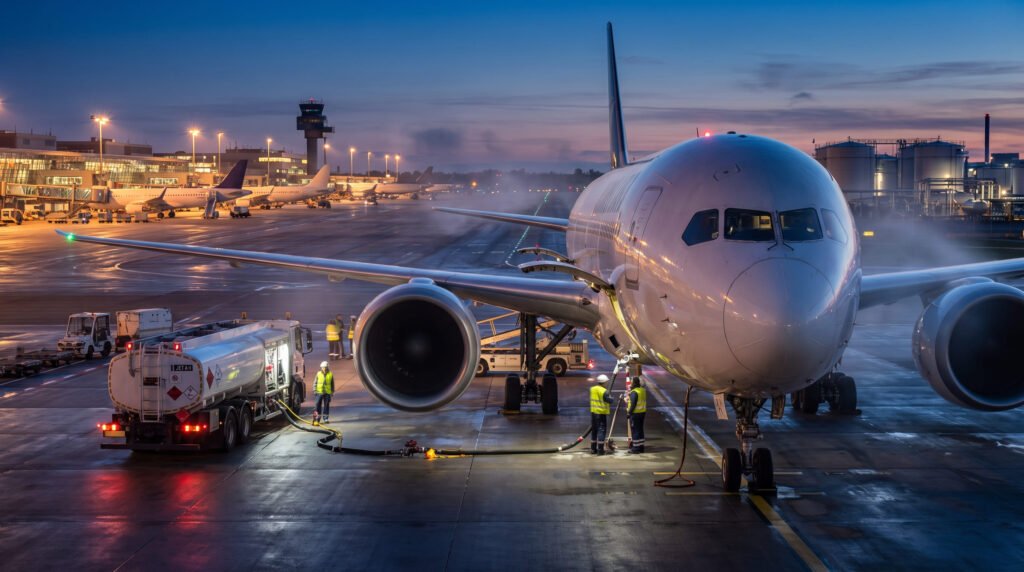
An aviation fuel shortage occurs when the available supply of jet fuel cannot comfortably meet the needs of airlines and airports. Because commercial aviation depends on a highly coordinated fuel supply chain, disruptions at refineries, shipping routes, storage facilities, or airport fuel systems can quickly affect flight schedules. In 2026, concerns over jet-fuel supply have highlighted how closely aviation depends on global energy markets.
What Is an Aviation Fuel Shortage?
An aviation fuel shortage means that airports or airlines face insufficient or unreliable supplies of aviation turbine fuel, commonly known as Jet A or Jet A-1. Jet fuel is produced through specialized refining processes and then transported through storage facilities, pipelines, ships, trucks, and airport fuel systems.
Unlike ordinary fuel shortages, aviation fuel problems can have an immediate effect on aircraft operations because every commercial flight requires carefully planned fuel quantities. If supply becomes tight at a particular airport, airlines may need to adjust schedules, refuel elsewhere, or reduce services.
Why Is There an Aviation Fuel Shortage?
There is rarely one single cause behind an aviation fuel shortage. Refinery outages, geopolitical disruptions, restricted shipping routes, increased travel demand, transportation problems, and limited refining capacity can all tighten jet-fuel supplies at the same time.
The global jet-fuel market can also be particularly sensitive to disruptions because airports often operate with relatively limited fuel buffers and rely on continuous supply arrangements. A problem upstream can therefore travel through the supply chain and eventually reach passengers.
Is an Aviation Fuel Shortage the Same as High Jet Fuel Prices?
Not necessarily. High jet fuel prices mean airlines are paying more for fuel, while an actual aviation fuel shortage means physical availability or reliable supply is becoming constrained. The two problems can occur together, but they are not identical.
When fuel becomes expensive, airlines may reduce capacity or adjust routes to control costs. When physical supplies become tight, the operational consequences can be more serious because an airline may need to find fuel at another airport or modify its schedule.
How Does a Fuel Shortage Affect Flights?
An aviation fuel shortage can contribute to flight delays, schedule changes, cancellations, rerouting, and additional refueling requirements. Airlines may also reduce frequencies on selected routes when fuel availability becomes difficult or expensive.
The effects are not always limited to the airport experiencing the shortage. Because aircraft and crews operate interconnected networks, one disrupted flight can cause missed connections, aircraft-positioning problems, and further schedule changes later in the day.
Can an Aviation Fuel Shortage Cause Flight Cancellations?
Yes, a serious fuel-supply problem can contribute to flight cancellations when an airline cannot obtain sufficient fuel or when operating a particular route becomes impractical. In some cases, airlines may suspend services temporarily or arrange additional refueling stops.
However, not every flight cancellation is caused by a fuel shortage. Weather, airspace restrictions, aircraft maintenance, staffing, airport capacity, and other operational issues can also cause cancellations. Travelers should therefore check the specific reason provided by their airline.
How Airlines Respond to Jet Fuel Supply Problems
Airlines have several ways to respond when jet fuel supply becomes constrained. Depending on the situation, carriers can modify schedules, reduce selected frequencies, reroute aircraft, arrange refueling at alternative airports, or carry additional fuel where operationally appropriate.
Another strategy is tankering, where an aircraft carries additional fuel from an airport where fuel is more available or economical. This can help an airline manage a temporary supply problem, although carrying extra fuel also affects aircraft weight and operating efficiency.
How the Aviation Fuel Supply Chain Works
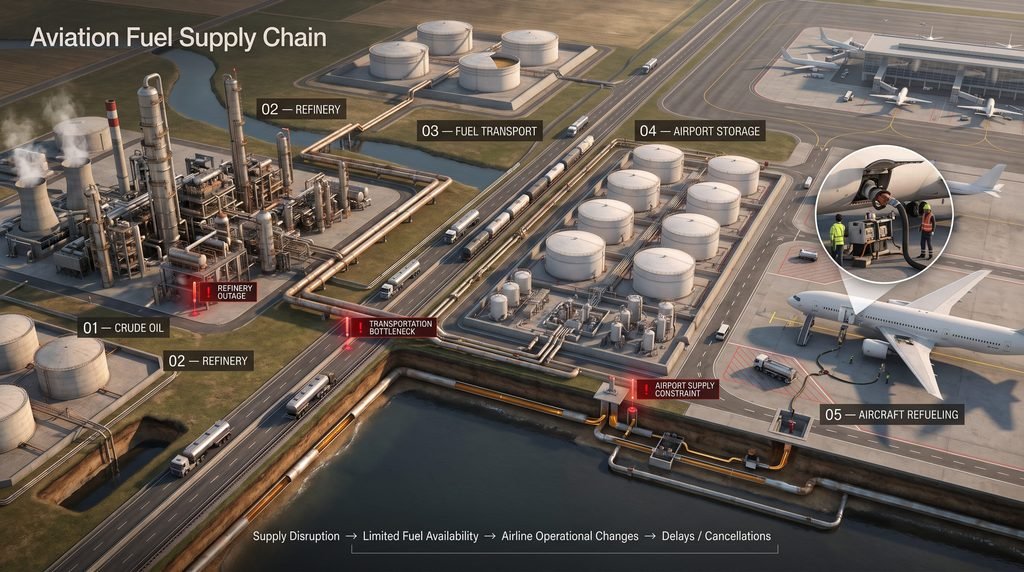
The aviation fuel journey is more complicated than simply delivering fuel to an airport. Crude oil is processed at refineries, aviation-grade fuel is produced and treated, and the finished product is transported to storage facilities and airports before being delivered to aircraft.
A simplified supply chain is:
Crude Oil → Refinery → Jet Fuel → Transportation → Airport Storage → Aircraft
A disruption at any stage can create pressure elsewhere in the system. This is why refinery capacity, shipping routes, pipelines, storage infrastructure, and airport fuel logistics all matter to reliable air travel.
Why Refinery Capacity Matters
Jet fuel is a specialized petroleum product, so having sufficient crude oil does not automatically guarantee sufficient aviation fuel. Refineries need appropriate capacity and configurations to produce the required aviation-grade kerosene.
Industry analysis has highlighted refinery constraints as an important reason why jet-fuel supply can become tight even when crude oil itself remains available. Refinery closures and changes in regional refining capacity can also make certain markets more dependent on imported fuel.
How Geopolitical Disruptions Affect Aviation Fuel
Geopolitical events can affect aviation fuel through both crude-oil supply and refined-fuel transportation. Restrictions on important shipping routes can delay fuel deliveries, increase transportation costs, and put additional pressure on refineries and alternative supply routes.
The 2026 Middle East crisis demonstrated this vulnerability, with concerns extending beyond direct jet-fuel exports because disruptions to crude supplies can also affect refineries that produce and export aviation fuel elsewhere.
What Does an Aviation Fuel Shortage Mean for Travelers?
Passengers may notice an aviation fuel shortage through delayed departures, reduced flight schedules, higher airfares, rerouting, or cancelled services. However, the effect can vary significantly between airports and airlines depending on local fuel inventories and alternative supply options.
Travelers should avoid assuming that every airport or airline is experiencing the same level of disruption. Check your specific flight directly with the airline before traveling, especially when fuel-supply concerns are developing.
What to Do If Your Flight Is Delayed
If your flight is delayed during an aviation fuel disruption, first check the airline’s official flight-status information. Ask whether the aircraft is expected to operate, whether the departure time has changed, and whether your connecting flight remains possible.
Keep your booking confirmation, boarding pass, and airline communications accessible. If the delay becomes substantial, ask the carrier about rebooking or alternative routing rather than waiting until the original departure time has completely passed.
What to Do If Your Flight Is Cancelled
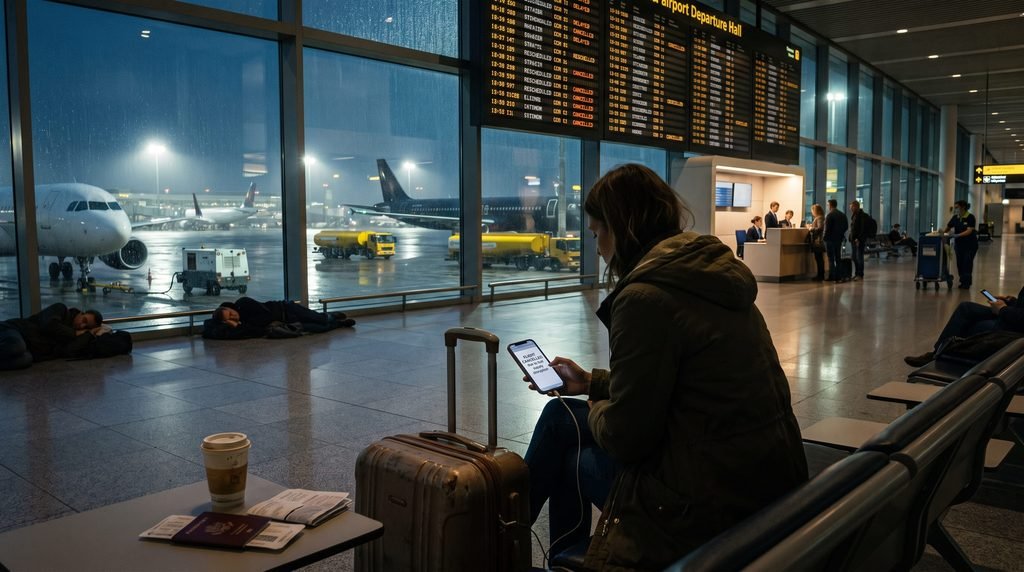
If an airline cancels your flight, contact the carrier as soon as possible and ask about rebooking, rerouting, or refund options applicable to your ticket and circumstances. Do not assume that purchasing a new ticket immediately is always the best solution.
Keep evidence of the cancellation and receipts for reasonable disruption-related expenses. Passenger rights and assistance can depend on the airline, route, jurisdiction, and cause of the disruption; for example, EU guidance states that applicable passenger rights continue for passengers affected by cancellations.
How an Aviation Fuel Shortage Can Affect Airfares
An aviation fuel shortage can place upward pressure on airfares because fuel is one of the largest operating costs for airlines. When carriers face significantly higher fuel costs, they may attempt to recover part of the additional expense through ticket pricing or capacity adjustments.
Fuel costs can also influence decisions about less profitable routes. Airlines may reduce frequencies or temporarily suspend selected services when operating economics become unfavorable.
Are International Flights More Vulnerable?
International aviation can be particularly sensitive to fuel-supply disruptions because long-haul networks depend on multiple airports, refueling locations, international supply chains, and connecting routes.
A shortage at one major hub can influence aircraft rotations and connecting services elsewhere. Airlines may respond by changing routes or adding refueling stops, while passengers may experience longer journey times or revised schedules.
Can Travel Insurance Cover Fuel-Related Flight Delays?
Travel insurance coverage depends entirely on the policy, the covered cause of disruption, and the circumstances of the claim. A fuel-related delay is not automatically covered simply because an airline reports an operational problem.
Before traveling, review the policy’s sections on trip delay, trip interruption, missed connections, cancellation, accommodation, and additional expenses. If a disruption occurs, keep airline notices and receipts that may be required for a claim.
How Long Can an Aviation Fuel Shortage Last?
There is no universal timeline for an aviation fuel shortage. A localized supply problem may improve after deliveries resume, while a wider refinery or transportation disruption can take considerably longer to resolve.
The recovery period depends on refinery repairs, shipping conditions, alternative supplies, airport inventories, demand, and the ability of airlines to adjust operations. This is why travelers should follow current airline and airport information rather than relying on an assumed recovery date.
Aviation Fuel Shortage and Sustainable Aviation Fuel
Sustainable Aviation Fuel (SAF) is increasingly important in discussions about aviation’s long-term fuel supply. SAF can help diversify the aviation energy mix, but current production remains far below conventional jet-fuel demand.
This means SAF is not an immediate replacement for conventional aviation fuel during a sudden supply disruption. Expanding production, infrastructure, certification, and distribution will be important for aviation’s longer-term energy transition.
Frequently Asked Questions About Aviation Fuel Shortage
1. What is an aviation fuel shortage?
An aviation fuel shortage occurs when the available supply of aviation fuel is insufficient or unreliable compared with the requirements of airlines and airports.
2. Can an aviation fuel shortage cause flight cancellations?
Yes, severe fuel-supply problems can contribute to cancellations, schedule reductions, rerouting, or additional refueling requirements.
3. Why does jet fuel become scarce?
Refinery disruptions, geopolitical events, transportation problems, increased demand, and limited regional supply capacity can all contribute to tighter jet-fuel availability.
4. What should I do if my flight is affected by a fuel shortage?
Check the airline’s official status, keep your travel documents and booking information ready, and contact the airline about delays, rebooking, rerouting, or refund options.
5. Does an aviation fuel shortage make flights more expensive?
It can. Higher fuel costs may increase airline operating expenses, which can contribute to higher fares, reduced capacity, or route adjustments.
Conclusion
An aviation fuel shortage is more than an energy-market problem—it can directly influence airline schedules, airport operations, ticket prices, and the passenger experience. Refinery constraints, geopolitical disruptions, transportation bottlenecks, and rising demand can place pressure on the aviation fuel supply chain and create delays or cancellations.
For travelers, the most important response is preparation. Monitor your airline’s official updates, allow flexibility in your itinerary, understand your rebooking and insurance options, and keep important travel documents accessible. As aviation continues to grow, reliable fuel supply and resilient infrastructure will remain essential to keeping global flights operating smoothly.
1 comment