

A winter travel capsule wardrobe aesthetic combines timeless style, versatile clothing, and practical layering to help you look polished without overpacking. Winter trips can make packing especially challenging: bulky sweaters, heavy coats, multiple pairs of shoes, and unpredictable temperatures can quickly fill a suitcase.
The solution is to build a coordinated collection of winter travel outfits around a small color palette, comfortable fabrics, and pieces that work together. Whether you are planning a European city break, a snowy mountain escape, a winter weekend, or a longer holiday, a thoughtful capsule wardrobe makes getting dressed easier while leaving more room in your luggage.
This guide explains what to pack, which colors and fabrics work best, how to create elegant winter outfits, and how to adapt your wardrobe to different climates without sacrificing comfort or personal style.
What Is a Winter Travel Capsule Wardrobe Aesthetic?
A winter travel capsule wardrobe aesthetic is a curated collection of coordinated winter clothing designed to create multiple outfits from a limited number of pieces. It emphasizes timeless silhouettes, complementary colors, functional layers, and accessories that elevate simple combinations.
Rather than packing a separate outfit for every day, you choose garments that can be mixed and matched across different activities and weather conditions.
The aesthetic often includes:
- Neutral colors such as ivory, camel, chocolate brown, charcoal, and black.
- Classic outerwear, including wool coats, tailored jackets, and insulated puffers.
- Fine-knit sweaters, turtlenecks, and comfortable base layers.
- Straight-leg jeans, tailored trousers, and versatile winter skirts.
- Weather-appropriate boots, minimalist sneakers, and understated accessories.
- Coordinated textures such as wool, cashmere, denim, leather, and ribbed knits.
The result is a wardrobe that feels intentional and sophisticated while remaining practical for travel.
The Best Winter Travel Capsule Wardrobe Aesthetic at a Glance
The ideal capsule depends on your destination, trip length, and activities, but this starter guide works well for a week-long trip with access to laundry.
| Category | Suggested quantity | Best choices |
| Winter coat | 1 | Wool coat or insulated puffer |
| Lightweight jacket | 1 optional | Weather-resistant layer |
| Sweaters | 2–3 | Fine-knit wool or warm blends |
| Base layers | 2–3 | Thermal tops or long-sleeve shirts |
| Tops | 3–4 | Neutral tees, shirts, and turtlenecks |
| Bottoms | 2–3 | Jeans, tailored trousers, or a skirt |
| Dresses | 0–1 | Knit dress for versatile styling |
| Shoes | 2 pairs | Walking shoes and weather-ready boots |
| Sleepwear | 1 set | Comfortable, lightweight fabric |
| Accessories | 3–5 | Scarf, gloves, hat, belt, and jewelry |
| Underwear and socks | 5–7 sets | Quick-drying, comfortable options |
These quantities are starting points, not strict rules. For a snowy destination, prioritize insulation and waterproof footwear. For a mild winter city, lighter layers and a tailored coat may be sufficient.
1. Choose a Winter Color Palette That Makes Everything Match
Color coordination is the foundation of a successful winter travel capsule. When your clothing shares a consistent palette, individual pieces become easier to combine, reducing the number of garments you need to pack.
Instead of selecting every item independently, choose two or three main colors, one or two supporting neutrals, and a subtle accent.
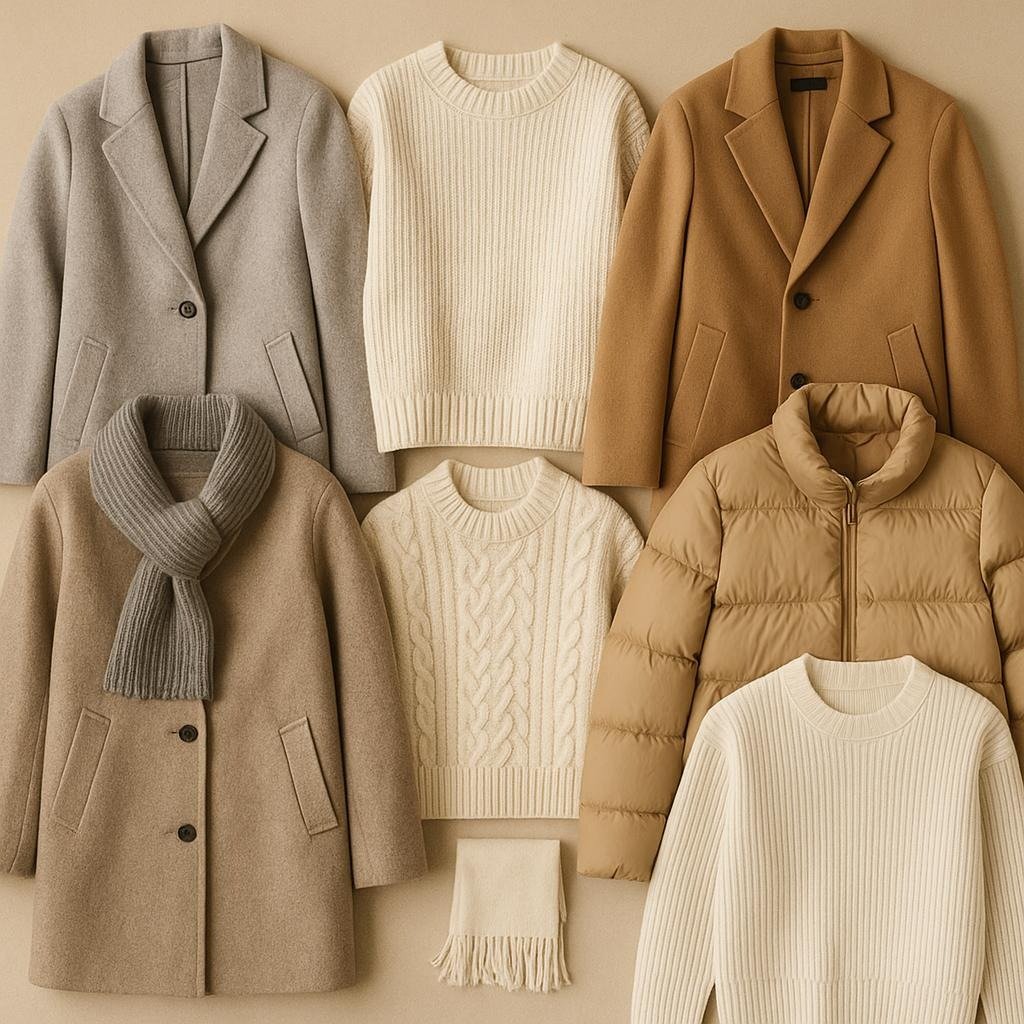
The classic neutral winter palette
Add to Favorites
Cream and beige
Soft, understated, and elegant.
Add to Favorites
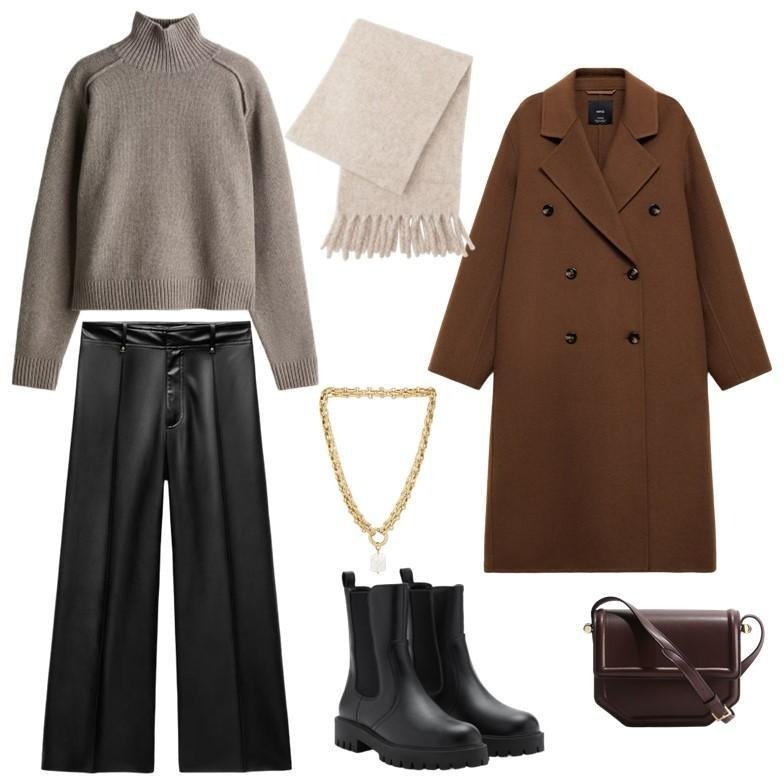
Camel and brown
Warm, rich, and timeless.

Add to Favorites
Black and charcoal
Sleek, versatile, and practical.
Three palettes worth considering
1. Quiet luxury neutrals: Ivory, oatmeal, camel, chocolate brown, and black. This combination creates refined outfits with minimal effort.
2. Scandinavian minimalism: Grey, black, white, navy, and muted beige. Clean lines and restrained colors create a modern, understated look.
3. Romantic winter neutrals: Cream, taupe, burgundy, soft grey, and deep brown. This palette adds warmth and personality while keeping outfits coordinated.
Choose the palette that complements your existing wardrobe rather than buying an entirely new collection for one trip.
How to use accent colors
If you prefer color, incorporate it through one or two smaller pieces, such as a burgundy scarf, forest-green sweater, muted-blue shirt, or patterned accessory.
A restrained accent adds variety without making the wardrobe harder to coordinate. Keep most larger pieces neutral, particularly coats, trousers, and shoes, because they tend to appear in multiple outfits.
2. Build Your Capsule Around the Right Winter Layers
Winter dressing works best when each layer serves a specific purpose. A stylish coat alone cannot compensate for inadequate insulation, and wearing several thick sweaters can restrict movement without necessarily providing better temperature control.
A practical winter capsule uses three main layers.
Base layer: Comfort close to the skin
Base layers help manage moisture and provide additional warmth beneath everyday clothing.
Useful choices include:
- Merino wool tops for warmth and odor resistance.
- Lightweight synthetic thermal shirts for active days.
- Long-sleeve cotton or cotton-blend tops for mild winter weather.
- Thermal leggings for cold sightseeing days.
For freezing destinations, choose a proper thermal base layer instead of relying on an ordinary cotton T-shirt. Cotton can retain moisture and feel cold when damp, especially during outdoor activities.
Middle layer: Warmth and visual texture
The middle layer provides insulation and contributes much of the wardrobe’s visual character.
Consider packing two or three options:
- A fine-knit merino sweater.
- A neutral turtleneck.
- A medium-weight wool-blend cardigan.
- A fleece or lightweight insulated midlayer for outdoor activities.
Fine knits are especially useful because they fit comfortably beneath coats and can also be worn indoors without creating excessive bulk.
Outer layer: Protection from winter weather
Your outer layer should reflect the coldest conditions you reasonably expect during the trip.
| Outerwear | Best for | Important consideration |
| Wool coat | City breaks, restaurants, museums | Stylish but may offer limited rain protection |
| Insulated puffer | Cold sightseeing and snowy destinations | Choose insulation appropriate to the climate |
| Waterproof shell | Rain, wind, and wet conditions | Usually needs a warm layer underneath |
| Packable insulated jacket | Variable temperatures and compact packing | May need a shell in wet or windy weather |
| Tailored trench | Mild winter and transitional weather | Not sufficient alone for freezing temperatures |
For a classic urban winter aesthetic, a wool coat is an elegant option. For prolonged exposure to snow, freezing wind, or wet conditions, technical outerwear is often the more practical choice.
The smartest strategy: select one primary coat that suits the destination and wear it during transit when practical. This preserves luggage space without compromising comfort.
3. The Essential Clothing Pieces for a Chic Winter Travel Capsule
A successful winter wardrobe does not require dozens of specialized garments. It needs a small collection of complementary pieces that can handle different temperatures, occasions, and activities.
Sweaters and knitwear
Add to Favorites
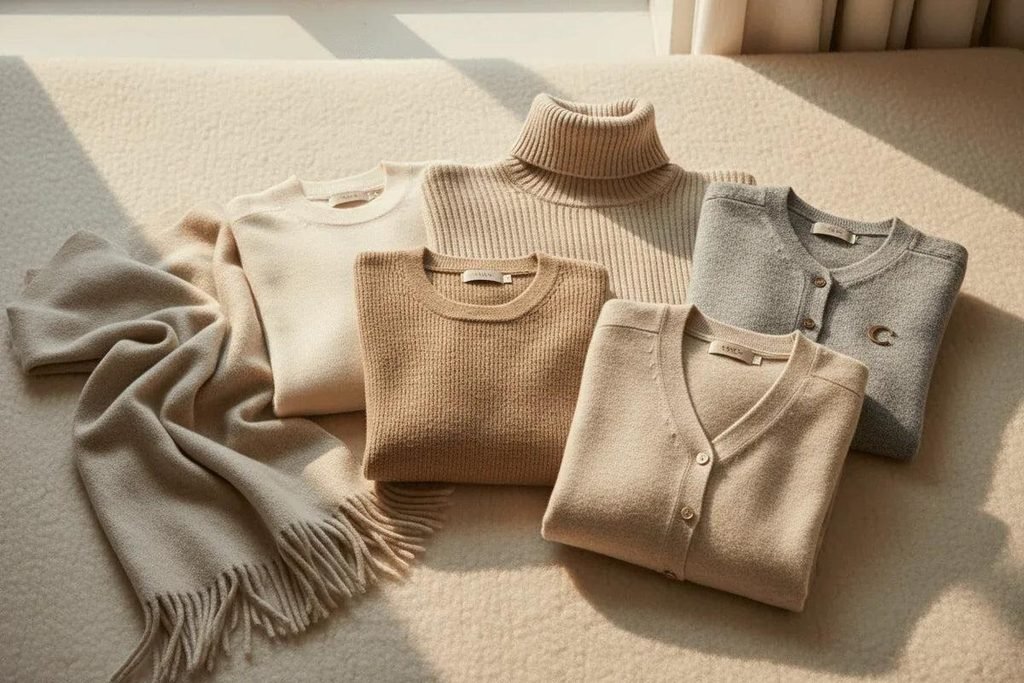
Knitwear is often the centerpiece of a winter travel wardrobe because it adds warmth, texture, and visual interest.
Choose a combination of lightweight and medium-weight knits rather than packing several oversized sweaters that serve the same purpose.
A useful selection includes:
- One ivory or oatmeal sweater.
- One dark neutral turtleneck.
- One cardigan or fine-knit layering piece.
Look for comfortable shoulder seams, sleeves that fit beneath your coat, and fabrics that suit your expected temperatures.
Cashmere can feel luxurious and pack relatively compactly, while merino wool is useful for temperature regulation and odor resistance. Wool blends can offer a balance of comfort, durability, and cost.
Tops and shirts
Pack simple tops that work independently and beneath sweaters.
A neutral long-sleeve shirt, a fitted thermal top, and a classic button-down can create different looks without requiring many additional garments.
For a more elevated outfit, wear a white or ivory shirt beneath a crew-neck sweater, allowing the collar and cuffs to show. For casual sightseeing, combine a fitted long-sleeve top with jeans and a warm coat.
If your destination has unpredictable indoor heating, lightweight layers are particularly useful because they can be removed without disrupting the outfit.
Jeans and tailored trousers
Add to Favorites
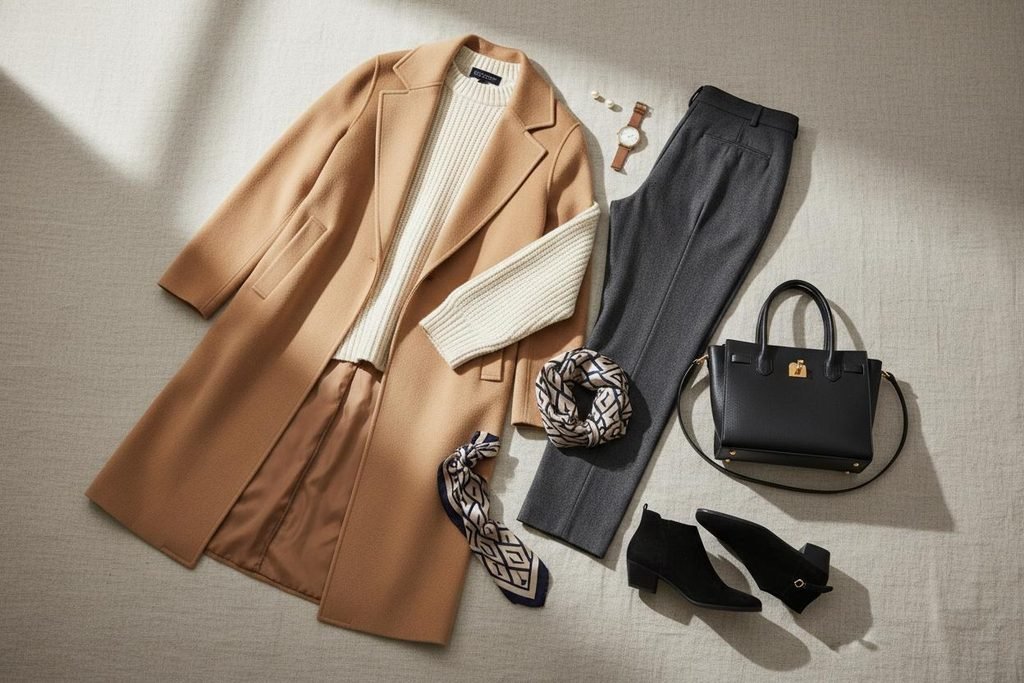
Two or three well-fitting bottoms can anchor most of your winter outfits.
Straight-leg jeans are ideal for casual sightseeing, travel days, and everyday city exploration. Dark denim generally pairs easily with neutral knitwear and polished outerwear.
Tailored wool-blend trousers create a more refined appearance for restaurants, museums, and evening outings. Choose a cut that allows comfortable movement and accommodates the footwear you plan to bring.
A knit skirt or versatile dress can provide a different silhouette without adding too much complexity. If you choose a skirt, bring opaque tights or thermal tights when temperatures require them.
Avoid packing multiple bottoms that only work with one top. Instead, make sure every bottom coordinates with at least two or three of your selected tops.
Dresses for winter travel
A knit dress can be a useful optional piece for travelers who want an outfit that transitions from daytime sightseeing to dinner.
A dark, neutral dress can be paired with boots, tights, and a wool coat. For a softer aesthetic, choose a ribbed dress in oatmeal, taupe, or chocolate brown.
However, a dress is not essential for every trip. If your itinerary focuses on hiking, long outdoor walks, or casual activities, another pair of versatile trousers may be more useful.
Winter accessories
Accessories provide warmth and help repeat the same core clothing in different combinations.
Prioritize:
- A wool or wool-blend scarf.
- Insulated gloves appropriate for the temperature.
- A warm beanie or other suitable hat.
- A leather or weather-resistant belt, if useful.
- Small, versatile jewelry.
- Sunglasses for bright winter days.
A coordinated scarf and hat can make a simple coat-and-jeans outfit feel more considered. For freezing weather, though, choose accessories for coverage and warmth first, then consider their appearance.
4. Winter Travel Outfit Ideas That Look Polished Without Overpacking
The easiest way to use a capsule wardrobe is to build complete outfits before leaving home. This reveals missing combinations and helps prevent unnecessary purchases.
Add to Favorites
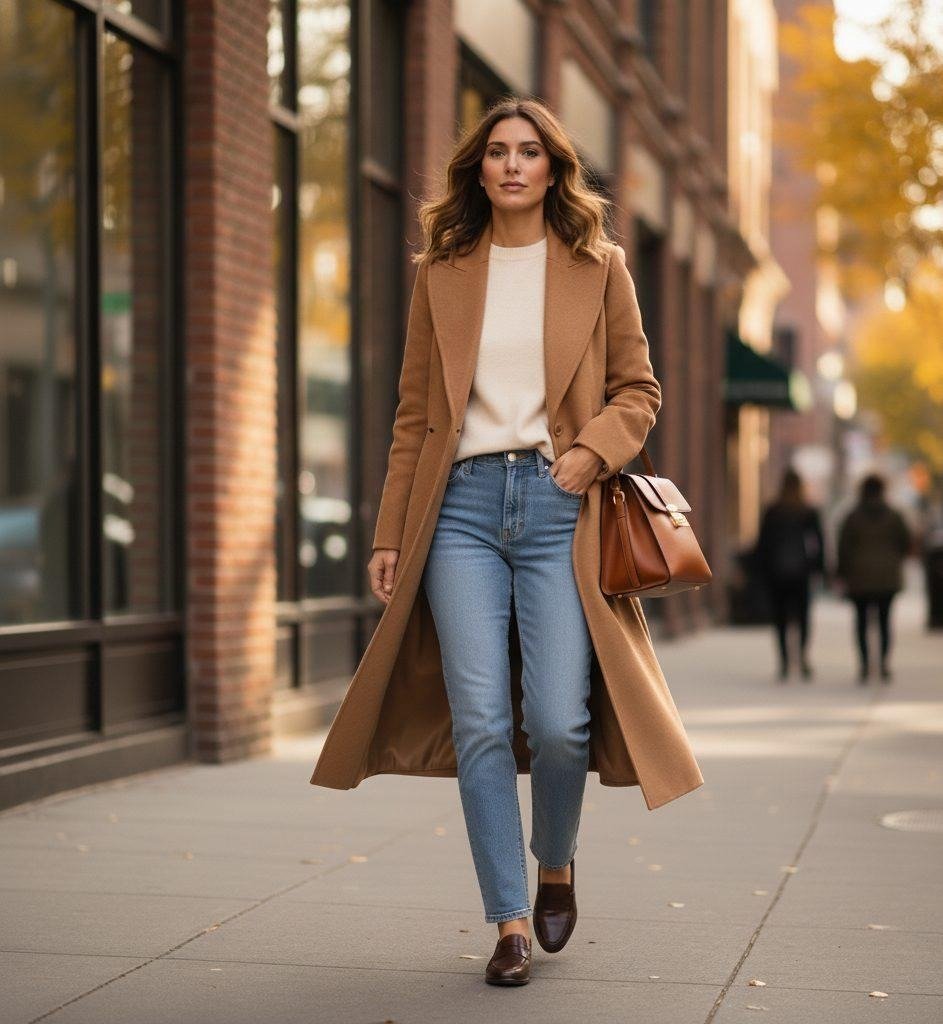
Outfit 1: Classic European city look
- Camel wool coat
- Ivory turtleneck
- Dark straight-leg jeans
- Brown ankle boots
- Coordinated scarf
Ideal for cafés, shopping streets, museums, and everyday sightseeing in cool weather.
Add to Favorites
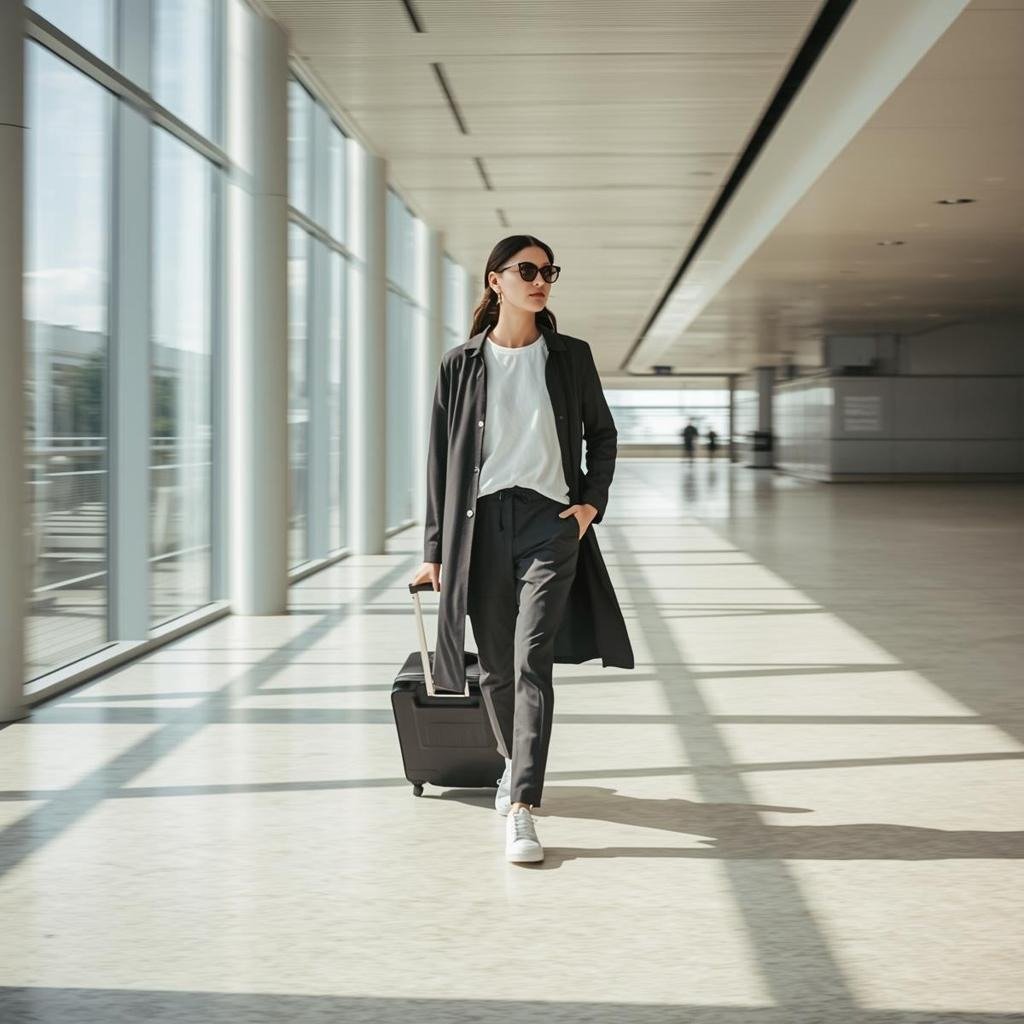
Outfit 2: Comfortable airport style
- Stretchy tailored trousers
- Lightweight knit sweater
- Long coat or suitable travel jacket
- Comfortable sneakers
- Crossbody bag
Designed for long transit days, easy movement, and comfortable temperature adjustments.
Add to Favorites
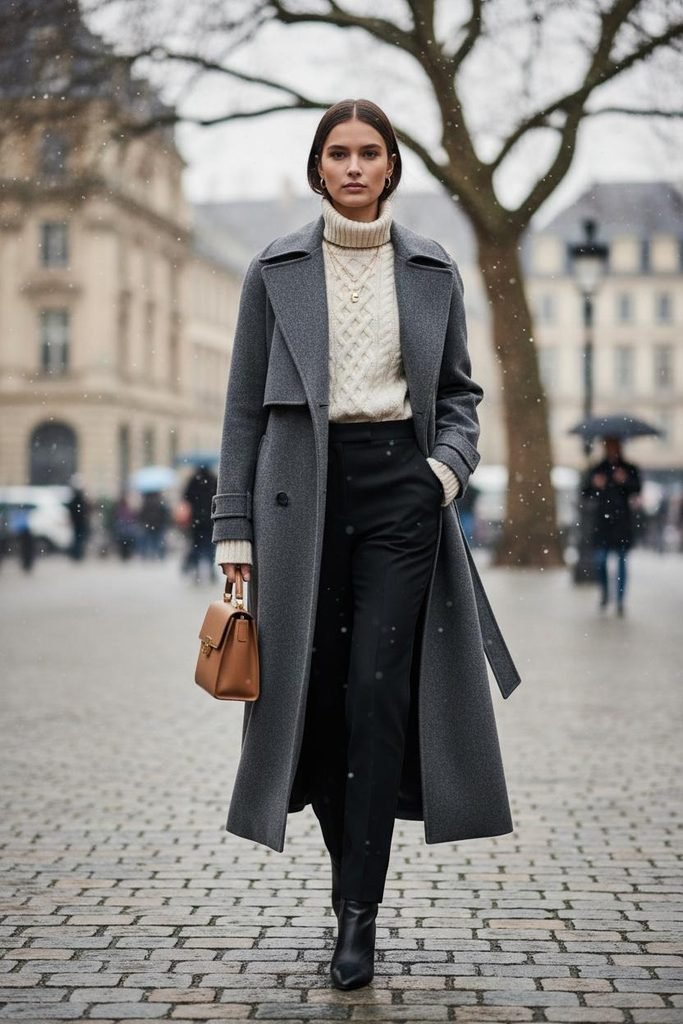
Outfit 3: Elevated evening outfit
- Chocolate or black knit top
- Tailored trousers
- Structured wool coat
- Leather ankle boots
- Small gold-tone jewelry
Suitable for restaurants, evening walks, and relaxed but polished city dinners.
Add to Favorites
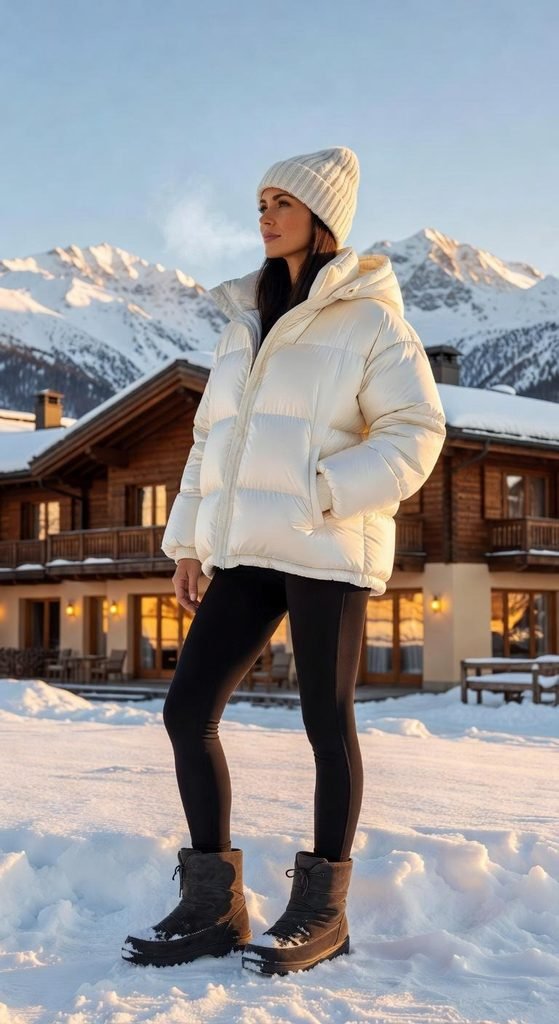
Outfit 4: Snowy destination look
- Insulated puffer jacket
- Thermal base layer
- Warm knit midlayer
- Insulated trousers or suitable winter pants
- Waterproof insulated boots
Prioritizes warmth, grip, and weather protection for snow-covered streets and outdoor activities.
Add to Favorites
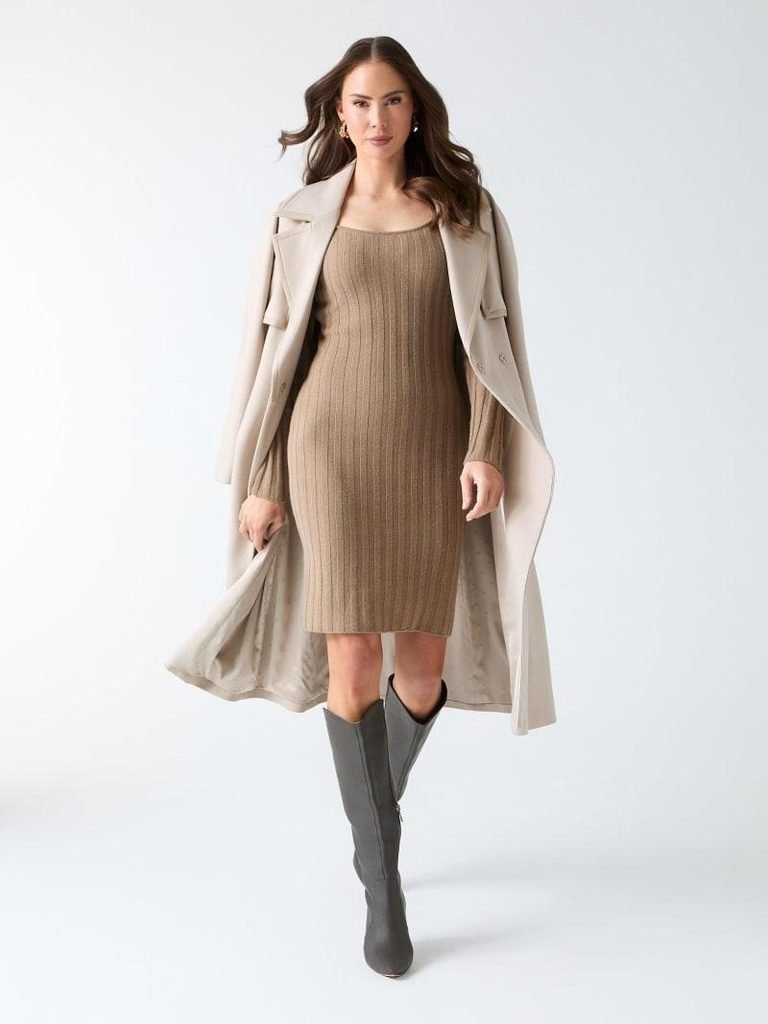
Outfit 5: Feminine winter minimalism
- Neutral knit dress
- Warm tights
- Long tailored coat
- Knee-high boots
- Minimal jewelry
A versatile option for city breaks, winter brunches, and dressier daytime activities when conditions allow.
These outfits share a small number of colors and silhouettes. That consistency makes it possible to create more combinations from fewer items.
5. How to Create Multiple Outfits From a Small Wardrobe
A capsule wardrobe becomes genuinely useful when each garment works with several others. The objective is not simply to own fewer clothes; it is to make the pieces you bring more versatile.
Use the three-outfit test
Before packing a garment, ask whether you can style it in at least three different ways.
For example, an ivory turtleneck could work with:
- Dark jeans and a camel coat.
- Tailored charcoal trousers and black boots.
- A knit skirt, tights, and a long wool coat.
If an item works with only one specific outfit, consider whether it deserves space in your suitcase.
Create a simple outfit matrix
| Clothing item | Casual day | City sightseeing | Evening |
| Ivory sweater | Jeans and sneakers | Tailored trousers and boots | Trousers and wool coat |
| Dark turtleneck | Jeans and puffer | Wool trousers and coat | Skirt and tall boots |
| Button-down shirt | Jeans and cardigan | Layered beneath a sweater | Tailored trousers and coat |
| Knit dress | Sneakers and coat | Boots and scarf | Tall boots and jewelry |
The exact combinations depend on the garments you own, but planning in this way helps reveal whether your wardrobe is coordinated before you pack.
Repeat pieces, not necessarily entire outfits
There is no need to wear a completely different combination every day. Repeating a coat, sweater, or pair of trousers is normal and practical when traveling.
Change the overall look by switching your top layer, adjusting accessories, or combining a familiar item with a different bottom.
For longer trips, laundry can be more useful than bringing additional clothing.
6. How to Adapt Your Winter Capsule to Different Destinations
Winter does not mean the same thing everywhere. A rainy coastal city, a freezing European capital, and a snowy mountain resort require different clothing strategies.
European winter city breaks
For destinations with cool streets, heated indoor spaces, and frequent walking, focus on adaptable layers and comfortable footwear.
Consider packing:
- A wool coat or weather-appropriate insulated jacket.
- Two or three sweaters.
- Thermal tops for colder days.
- Jeans and tailored trousers.
- Water-resistant walking boots or shoes.
- A scarf, gloves, and a compact umbrella if appropriate.
In cities where rain and wind are common, water resistance may matter more than the thickness of your coat alone.
Snowy mountain destinations
Snow and prolonged exposure to freezing temperatures require a more technical wardrobe.
Prioritize:
- Thermal base layers.
- Insulating midlayers.
- A suitable insulated outer jacket.
- Waterproof winter trousers when needed.
- Waterproof, insulated boots with appropriate traction.
- Warm socks, gloves, and headwear.
Fashion-focused pieces can still be part of the capsule, but they should not replace clothing needed for warmth and safety.
If you plan to ski or participate in snow sports, use clothing specifically suited to those activities rather than relying on ordinary city outfits.
Mild winter destinations
In regions with cool mornings and relatively warm afternoons, lightweight layers are usually more practical than several heavy knits.
A suitable capsule may include a trench or lighter coat, fine-knit sweaters, long-sleeve tops, jeans, and comfortable walking shoes.
Check expected temperatures and rainfall close to departure. A mild destination can still experience cold snaps or wet weather.
Winter trips with frequent indoor activities
For itineraries focused on galleries, restaurants, shopping, and indoor attractions, select layers that are easy to remove.
Lightweight knitwear, a button-down shirt, comfortable trousers, and a coat appropriate for the journey between locations are often more practical than bulky garments worn throughout the day.
Consider carrying a small bag for accessories or removable layers, particularly when you expect to spend several hours indoors.
7. What Fabrics Work Best for a Winter Travel Capsule?
Fabric selection affects warmth, comfort, drying time, packing volume, and maintenance.
| Fabric | Main strengths | Potential drawbacks | Best use |
| Merino wool | Warm, breathable, odor-resistant | Requires appropriate care | Base layers, sweaters, socks |
| Cashmere | Soft, lightweight warmth | Can be delicate and expensive | Fine-knit sweaters and scarves |
| Wool blends | Versatile warmth and structure | Performance varies by blend | Coats, trousers, knitwear |
| Polyester and technical synthetics | Quick drying and practical layering | Quality and breathability vary | Thermal layers, fleece, outerwear |
| Fleece | Lightweight insulation | Can add bulk and trap odors | Outdoor midlayers |
| Cotton | Comfortable and familiar | Slow drying; less suitable when damp | Shirts and indoor layers |
| Denim | Durable and versatile | Heavy and slow drying | Everyday trousers |
| Down or synthetic insulation | Effective warmth for its weight when appropriately designed | Down can lose insulating performance when wet; synthetic insulation also has trade-offs | Cold-weather jackets |
No single fabric is best for every winter trip. Merino wool is useful for travelers who want comfortable, repeatable layers, while technical synthetics can be practical for wet conditions and active itineraries.
For coats, pay attention to construction, lining, wind protection, and intended temperature range rather than judging performance from the fabric name alone.
8. How to Pack a Winter Capsule Wardrobe Without Bulky Luggage
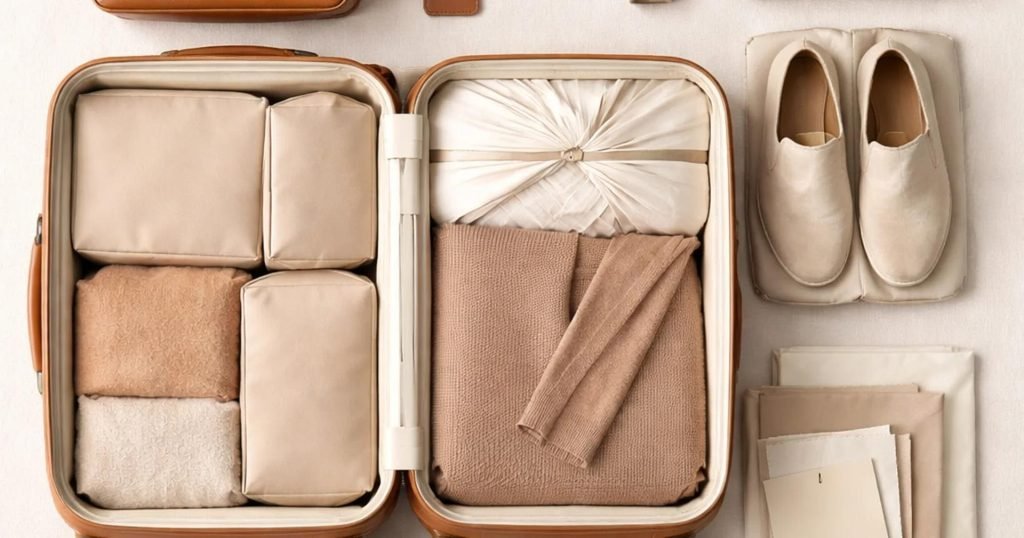
Winter clothing can take up considerably more room than summer clothing. The key is to control bulk strategically rather than trying to compress every garment as tightly as possible.
Add to Favorites
Wear your bulkiest items during transit
If comfortable and appropriate for the journey, wear your coat, heavier shoes, and one substantial sweater while traveling.
You do not need to wear every bulky item at once. Choose a practical travel outfit that keeps the most space-consuming pieces out of your suitcase without making the journey uncomfortable.
Fold knitwear carefully
Fine knits can often be folded flat, while thicker sweaters may be rolled loosely if doing so does not distort their shape.
Place heavier garments near the base of your suitcase and keep delicate knitwear away from sharp shoe edges, zippers, or accessories.
Use packing cubes selectively
Packing cubes can separate tops, bottoms, underwear, and accessories, making your suitcase easier to organize.
However, cubes do not eliminate the actual volume of your clothing. Overfilled cubes can compress garments excessively and make the suitcase difficult to close.
Compression cubes may be useful for selected soft garments, but avoid compressing delicate knitwear or structured clothing in ways that cause creasing or distortion.
Pack shoes around the wardrobe
Two pairs of shoes are often sufficient for a compact city capsule: one comfortable walking pair and one weather-appropriate boot or alternative shoe.
Wear the heavier pair in transit if practical. Place the other pair in a shoe bag and use the interior space for small, clean items such as socks, provided this does not compromise footwear shape or cleanliness.
Choose a realistic luggage size
A compact carry-on can work for a mild winter trip when your clothing is lightweight and your coat is worn during transit. A longer stay in freezing weather may require more space.
Before departure, verify your airline’s current cabin-bag dimensions, weight limits, and personal-item allowance. These restrictions vary between airlines, ticket types, and routes.
Do not sacrifice necessary thermal layers or suitable footwear simply to meet a preferred bag size.
9. A Seven-Day Winter Travel Capsule Wardrobe Checklist
Use this checklist as a starting point for a week-long city trip in cool or moderately cold conditions. Adapt it for your forecast, activities, and access to laundry.
Packing checklist
0 of 16
Outerwear
One primary winter coat or jacket
One optional lightweight layer if needed
Tops
Two sweaters or fine-knit layers
Three versatile tops or shirts
One thermal base layer for colder conditions
Bottoms
One pair of jeans
One pair of tailored trousers
One optional skirt or additional bottom
Footwear
Comfortable walking shoes
Weather-appropriate boots
Accessories
Scarf, gloves, and suitable headwear
Compact everyday bag and optional evening bag
Basics
Underwear and socks for the planned interval
Sleepwear and any additional thermal layers required
Travel essentials
Weather forecast and activity check completed
Airline cabin-bag restrictions checked
Reset checklistCopy checklist
This is a flexible checklist, not a universal prescription. For a trip involving snow, extended outdoor exposure, or temperatures well below freezing, add sufficient technical insulation, suitable footwear, and extra protective layers.
For longer trips, plan to wash and rewear suitable pieces instead of automatically doubling the quantities.
10. Winter Capsule Wardrobe Mistakes to Avoid
Even a beautiful wardrobe can become impractical if it is not designed around real travel conditions.
Packing too many bulky sweaters
Three oversized sweaters may take up more room than several coordinated lightweight layers. Select knitwear that can be worn independently and beneath your main coat.
Choosing style over weather protection
A fashionable coat is not automatically warm, waterproof, or wind-resistant. Check the actual conditions and choose outerwear that can handle them.
Bringing uncomfortable shoes
Winter sightseeing often involves long walking days, uneven pavements, and wet surfaces. Test your footwear before the trip and prioritize fit, traction, and weather suitability.
Selecting colors that do not coordinate
A collection of beautiful individual pieces may still produce very few outfits if the colors and silhouettes clash. Plan combinations before packing.
Forgetting indoor temperatures
Heated trains, shops, restaurants, and museums can feel significantly warmer than outdoor streets. Removable layers help you remain comfortable throughout the day.
Packing delicate items without considering care
Some knitwear wrinkles, stretches, or requires careful washing. Review care instructions and choose pieces you can realistically maintain while traveling.
Bringing too many special-occasion pieces
A dress or statement accessory can be worthwhile, but avoid packing several outfits that work for only one evening. A versatile dress or tailored outfit is usually a more efficient choice.
Ignoring the return journey
Leave room for purchases, gifts, or laundry that cannot be completed before departure. A suitcase packed to its absolute limit is harder to reorganize during the return trip.
11. How to Keep Your Winter Travel Wardrobe Looking Fresh
A compact capsule is easier to maintain when each item is selected with repeat wear in mind.
Air out garments between wears. Wool and other odor-resistant fabrics may benefit from airing rather than immediate washing, depending on activity and garment care instructions.
Protect knitwear from friction. Keep delicate sweaters away from rough zippers, hooks, and abrasive bag interiors.
Dry damp clothing properly. Allow wet outerwear and footwear to dry before packing them away. Do not place damp items directly against clean knitwear.
Use a small laundry kit. A few detergent sheets or an appropriately packed travel detergent can help with minor washing needs. Follow product directions and accommodation laundry instructions.
Rotate your base layers. Changing socks and base layers regularly can improve comfort without requiring a new outer outfit every day.
Keep clean and worn items separate. A lightweight laundry pouch helps prevent used clothing from mixing with fresh garments.
These small habits are particularly valuable when your wardrobe contains only a few core pieces.
12. How to Make a Winter Capsule Wardrobe Look More Expensive
A premium winter aesthetic is usually created through coordination, fit, fabric texture, and thoughtful styling rather than the number or price of the clothes.
Focus on fit and proportion
A long coat paired with straight-leg trousers creates a different silhouette from an oversized sweater paired with wide-leg jeans. Neither is automatically better, but intentional proportions help an outfit look considered.
Make sure sleeves fit beneath outerwear and trousers work with your chosen shoes.
Mix complementary textures
Pair smooth denim with a soft knit, a structured wool coat with a fine scarf, or matte trousers with polished leather footwear.
Texture creates visual depth without requiring bright colors, bold prints, or numerous accessories.
Keep accessories restrained
A coordinated scarf, simple belt, structured bag, and understated jewelry can elevate a basic outfit.
Choose accessories that complement several outfits instead of bringing a separate collection for every look.
Prioritize garment condition
Clean shoes, well-maintained knitwear, and coats free from obvious lint or loose threads make a noticeable difference.
A smaller wardrobe of well-cared-for garments can look more polished than a larger collection of poorly coordinated pieces.
Use monochromatic styling thoughtfully
Wearing different shades of the same color can create a cohesive winter outfit. For example, cream knitwear, beige trousers, and a camel coat offer subtle variation while maintaining a unified palette.
You do not need every shade to match exactly. Slight differences in tone and texture often make the combination more interesting.
13. How Much Should You Pack for Different Winter Trip Lengths?
The length of your trip matters, but laundry access, weather, and activities can matter just as much.
| Trip length | Wardrobe strategy | Packing priority |
| 2–3 days | Repeat core pieces and pack one optional outfit variation | Minimize bulky extras |
| 4–5 days | Use two bottoms, several tops, and coordinated layers | Outfit versatility |
| 7 days | Build a full capsule and consider laundry | Balanced clothing rotation |
| 10–14 days | Rewear outerwear and bottoms; wash suitable base layers | Laundry planning |
| Two weeks or longer | Pack for a repeatable weekly cycle | Care, durability, and climate |
For a three-day weekend, a coat, two tops, two bottoms, one warm layer, and suitable shoes may be sufficient, depending on the forecast.
For a ten-day trip, you do not necessarily need ten complete outfits. A smaller collection with planned combinations and laundry access can work well.
For a two-week winter holiday without laundry, you may need additional base layers, socks, and underwear. Even then, the same coat, boots, and core trousers can be worn repeatedly.
14. Should You Buy New Clothes for a Winter Capsule Wardrobe?
Not necessarily. The most efficient winter capsule often starts with clothes you already own.
Begin by laying out your preferred winter garments and identifying pieces that coordinate in color, fit comfortably, and suit the destination. Then make a list of genuine gaps.
For example, you may discover that you already have suitable sweaters and trousers but lack waterproof footwear. Buying a practical pair of boots may be more useful than purchasing another coat simply to achieve a particular aesthetic.
Before buying anything, ask:
- Does this item work with at least three outfits?
- Is it comfortable enough for the planned activities?
- Can it handle the expected weather?
- Is it easy to care for while traveling?
- Do I already own something that serves the same purpose?
This approach keeps the wardrobe cohesive and reduces unnecessary spending.
15. Final Winter Travel Capsule Wardrobe Checklist Before Departure
Before closing your suitcase, review these practical details.
- Check the forecast for the destination and each major stop.
- Identify the coldest expected conditions, not just the average daytime temperature.
- Prepare complete outfits for your main activities.
- Confirm that every top works with more than one bottom where possible.
- Test walking shoes and weather-appropriate boots.
- Pack thermal layers if your itinerary requires them.
- Remove duplicate items that serve the same purpose.
- Separate clean clothing from shoes and worn garments.
- Verify airline cabin-bag dimensions and weight limits.
- Leave some room for purchases and the return journey.
If you are traveling between regions with different climates, review the capsule again before departure. A wardrobe suitable for a cool city may not provide enough protection for a mountain excursion.
Conclusion
A winter travel capsule wardrobe aesthetic is about combining timeless style with practical choices. Start with a coordinated color palette, select versatile knitwear and bottoms, and build your outfits around appropriate outerwear and comfortable shoes.
Plan combinations before packing, use layers to adjust to changing temperatures, and choose fabrics that suit your destination. Most importantly, let the weather and itinerary guide your decisions rather than packing for an idealized look alone.
With a thoughtful capsule, you can create elegant winter travel outfits, reduce unnecessary luggage, and spend less time deciding what to wear throughout your trip.
FAQs
1. What is the best color palette for a winter travel capsule wardrobe aesthetic?
Ivory, camel, chocolate brown, charcoal, and black are versatile choices because they coordinate easily across coats, sweaters, trousers, and boots. Add burgundy, forest green, or another accent color if you want more variety.
2. How many outfits should I pack for a seven-day winter trip?
You do not need seven completely separate outfits. A collection of two or three bottoms, several coordinated tops, two or three warm layers, one suitable coat, and versatile shoes can create multiple combinations. Adjust quantities for weather, activities, and laundry access.
3. What shoes are best for a winter travel capsule wardrobe?
Comfortable walking shoes or sneakers work for dry, mild conditions, while water-resistant or waterproof boots are better for wet streets and cold weather. Snow and ice may require insulated boots with suitable traction. Choose footwear based on the actual conditions rather than appearance alone.
4. Can I create a winter travel capsule wardrobe using only a carry-on?
Yes, particularly for a short trip or a destination with moderate winter temperatures. Choose lightweight layers, wear bulky outerwear during transit when practical, and limit duplicate shoes. For freezing conditions or specialized outdoor activities, prioritize necessary protective clothing over strict luggage minimization.
5. How can I make winter travel outfits look elegant without packing too much?
Use a consistent color palette, combine complementary textures, and choose well-fitting pieces that work in several outfits. A versatile coat, fine-knit sweater, tailored trousers, suitable boots, and a coordinated scarf can create a polished look without requiring numerous statement garments.
1 comment