
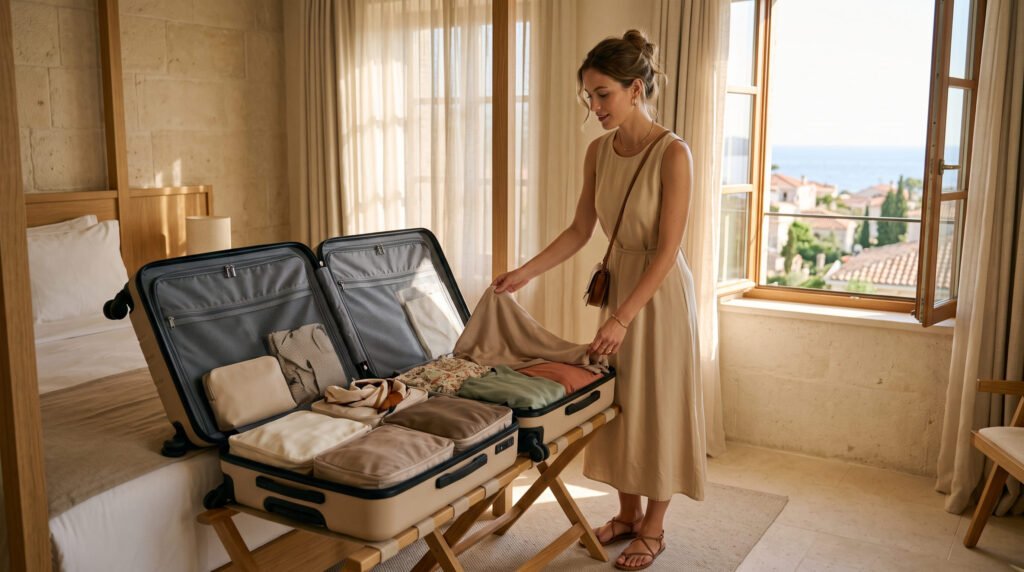
Wrinkle-free travel dresses for summer vacations make it easier to pack light, stay comfortable in warm weather, and look polished without spending precious holiday time ironing clothes. The best options combine breathable fabrics, crease-resistant construction, flattering silhouettes, and versatile designs that work for sightseeing, beachside dinners, and long travel days.
The challenge is finding dresses that look elegant straight out of a suitcase without feeling heavy, restrictive, or uncomfortable in the heat. With the right fabrics and a thoughtful selection of styles, you can create multiple vacation outfits with just a few dresses. This guide explains which materials to choose, which styles are worth packing, how to prevent wrinkles, and how to build a practical summer travel wardrobe without overpacking.
Quick Answer: What Are the Best Wrinkle-Free Dresses for Summer Travel?
The best wrinkle-resistant travel dresses are usually made from lightweight polyester blends, nylon blends, or suitable stretch fabrics designed to recover their shape after packing. Lightweight jersey and certain rayon blends can also work well, although their performance varies by construction and finish.
For most summer vacations, prioritize breathable materials, easy-care instructions, comfortable fits, and versatile colors that coordinate with your existing travel wardrobe.
| Dress type | Best for | Key advantage |
|---|---|---|
| Sleeveless midi dress | Sightseeing and city breaks | Comfortable coverage with an elegant silhouette |
| Shirt dress | Museums, markets, and casual dinners | Versatile styling and adjustable sleeves |
| Knit travel dress | Flights and road trips | Flexible, comfortable fit |
| Wrap-style dress | Resort wear and evening outings | Adjustable fit and flattering shape |
| Maxi dress | Beach towns and relaxed evenings | Easy, polished styling with minimal accessories |
| Fit-and-flare dress | Casual sightseeing and lunches | Comfortable movement and a defined waist |
| Packable jersey dress | Capsule wardrobes and one-bag travel | Simple care and versatile layering |
| Lightweight travel dress with pockets | Full days of sightseeing | Convenient storage for small essentials |
Best overall strategy: Pack two or three dresses in complementary colors, select fabrics that recover well after folding, and choose silhouettes that can be styled with different shoes and accessories.
Remember that wrinkle-free is often a marketing term rather than a guarantee. Wrinkle-resistant dresses can still crease when compressed for long periods, especially in hot, humid conditions.
What Makes a Dress Suitable for Summer Travel?
A good travel dress needs to perform beyond the fitting room. It should remain comfortable in warm weather, fit easily into a suitcase, and work for more than one occasion.
1. Wrinkle resistance
Look for descriptions such as wrinkle-resistant, crease-resistant, easy-care, or travel-friendly. These terms can help identify promising options, but the garment’s fabric composition and construction matter more than the label alone.
Synthetic fibers such as polyester and nylon generally resist creasing better than many untreated natural fabrics. Some blends also combine crease recovery with stretch, making them useful for travel.
A simple test before packing is to scrunch a small section of the fabric in your hand for several seconds and release it. If the material quickly relaxes, it may be a good candidate. This is only a rough guide, not a guarantee of how the dress will behave after hours inside a suitcase.
2. Breathability and comfort
A wrinkle-resistant dress is not useful if it feels uncomfortable in summer heat. Look for lightweight construction, a relaxed fit, breathable linings, and enough room around the shoulders and waist.
Consider the destination’s humidity as well as its temperature. In dry heat, many lightweight fabrics feel comfortable, while humid conditions can make tightly woven or non-breathable materials feel clammy.
For particularly hot destinations, prioritize:
- Sleeveless or short-sleeved silhouettes.
- Loose skirts and comfortable waistbands.
- Lightweight fabrics that do not cling excessively.
- Minimal lining, provided the dress remains opaque.
- Soft seams and smooth interior finishes.
3. Quick-drying performance
Quick-drying fabric is especially helpful when you are traveling with a small wardrobe. A dress that dries relatively quickly after washing can be worn again without needing several days of laundry turnaround.
Lightweight synthetic blends often dry faster than heavier cotton garments, although thickness, weave, humidity, and airflow also affect drying time.
If you plan to wash dresses in a hotel sink, choose easy-care fabrics and check the manufacturer’s washing instructions before your trip.
4. Versatile styling
The most useful travel dresses can transition between activities with a few small changes.
A simple black midi dress, for example, can work with white sneakers and a crossbody bag during the day. Add sandals, earrings, and a lightweight wrap for dinner, and the same dress feels more refined.
Neutral colors, restrained prints, and classic silhouettes usually provide more outfit combinations than highly occasion-specific designs.
Best Fabrics for Wrinkle-Free Travel Dresses
Fabric selection is one of the most important decisions when choosing summer travel clothing. No material is perfect for every climate, but understanding the differences helps you select dresses that suit your destination.
| Fabric | Wrinkle resistance | Summer comfort | Drying speed | Best use |
|---|---|---|---|---|
| Polyester | Generally high | Depends on weave and finish | Usually fast | Packed travel wardrobes |
| Nylon blends | Generally good | Often lightweight; airflow varies | Usually fast | Active sightseeing and packable dresses |
| Polyester-spandex blend | Generally good | Stretchy and flexible | Usually fast | Long travel days |
| Lightweight jersey | Varies by fiber | Often comfortable | Depends on composition | Casual and versatile outfits |
| Rayon or viscose | Often moderate to low | Can feel cool and fluid | Often slower | Soft, draped vacation dresses |
| Cotton | Often moderate to low | Comfortable in suitable weaves | Often slower | Relaxed holidays and breathable casual wear |
| Linen | Naturally prone to creasing | Excellent airflow in many weaves | Varies | Relaxed resort styling |
| Merino wool blends | Varies by knit and blend | Can regulate comfort across temperatures | Varies | Travel wardrobes that need layering |
These are general tendencies, not universal performance ratings. A tightly constructed polyester dress can feel warmer than a loose cotton dress, while a well-designed viscose blend may drape more elegantly than a stiff synthetic garment.
Polyester blends: Practical for frequent travel
Polyester blends are popular for travel dresses because they often recover well after folding, retain their shape, and require relatively little maintenance.
A small amount of elastane or spandex can improve stretch and comfort. These blends are useful for city breaks, cruises, and itineraries that involve changing hotels frequently.
The main consideration is airflow. If you are traveling somewhere extremely hot, look for lightweight construction and a loose silhouette rather than choosing solely by fiber content.
Nylon blends: Lightweight and packable
Nylon blends can be useful when minimizing luggage weight is a priority. They are common in technical clothing and some modern travel garments because they can offer durability, flexibility, and quick drying.
Choose a soft fabric with a finish you like, since some nylon garments can feel slick or clingy in humid weather.
Jersey: Comfortable and easy to style
Jersey describes a knit structure rather than a single fiber. Cotton jersey, polyester jersey, and blended jersey can behave very differently.
A medium-lightweight jersey dress with good recovery can be a reliable choice for flights, road trips, and casual sightseeing. Very thin jersey may cling or show underwear lines, so check the opacity and drape before buying.
Linen and cotton: Worth packing if you accept some wrinkles
Linen and cotton remain attractive summer fabrics because many versions feel breathable and comfortable against the skin. However, they are not always the best choices if your main priority is arriving with a perfectly smooth dress.
If you love natural fibers, choose relaxed silhouettes where a few creases look intentional. A linen-blend shirt dress can be an excellent vacation option even when it is not technically wrinkle-free.
The Best Wrinkle-Free Dress Styles for Different Summer Vacations
The right silhouette depends on your itinerary, personal style, and the activities planned for each day.


13
1. Sleeveless midi dresses for city sightseeing
A sleeveless midi dress is one of the most adaptable pieces for a summer travel wardrobe. The length offers more coverage than a mini dress without the extra fabric of a full-length style.
Choose a solid color such as black, navy, olive, chocolate, or ivory. Pair it with comfortable walking shoes for daytime exploration, then switch to flat sandals and simple jewelry for dinner.
For destinations with strict dress codes at religious sites, carry a lightweight scarf or cardigan and check local requirements in advance.
Best for: European city breaks, museum visits, shopping, and casual restaurant outings.
2. Shirt dresses for versatile day-to-evening outfits
A shirt dress offers a polished appearance without requiring complicated styling. Buttons, a collar, and an optional waist tie create a more structured look while allowing flexibility.
Lightweight synthetic blends can be especially practical for packing. Roll the sleeves for a relaxed daytime outfit, or wear them down for a more refined look.
Look for a cut that allows you to sit comfortably and move freely. If the dress has buttons, check whether the fabric pulls across the chest when you move.
Best for: City holidays, casual business travel, sightseeing, and versatile capsule wardrobes.
3. Maxi dresses for beach and resort vacations
A maxi dress can be an easy solution when you want a complete outfit with minimal effort. A simple design works for a seaside lunch, an evening stroll, or a relaxed resort dinner.
For hot climates, select a lightweight fabric and a skirt with enough room for airflow. Side slits can improve movement, while adjustable straps can make the fit more comfortable.
Avoid packing several maxi dresses with similar silhouettes. One neutral option and one printed dress are often more useful than multiple pieces that serve the same purpose.
Best for: Beach towns, island holidays, resort stays, and relaxed evening outings.
4. Knit dresses for flights and road trips
Knit travel dresses are useful when comfort is the priority. Their stretch can make long periods of sitting easier, and many styles work well with sneakers or lightweight trainers.
Look for a fabric that returns to its shape after stretching. Very thin knits may become clingy in humid weather or lose their shape after repeated wear.
A short-sleeved or sleeveless knit dress can also be layered with a light cardigan in air-conditioned airports and airplanes.
Best for: Long flights, train journeys, road trips, and casual travel days.
5. Wrap dresses for dinners and special occasions
Wrap-style dresses provide an adjustable fit and can look elegant without needing extensive accessories.
For travel, a synthetic blend or a jersey fabric with good recovery may be more practical than a delicate material that needs careful steaming. If the wrap is genuine rather than a fixed faux-wrap design, check that it stays secure while walking and sitting.
Pair the dress with comfortable block-heel sandals or dressy flats rather than packing shoes that are difficult to walk in.
Best for: Vacation dinners, date nights, celebrations, and resort evenings.
6. Travel dresses with pockets
Pockets can be helpful during sightseeing, particularly when you want somewhere to keep a transit card or a small hotel key.
However, pockets can add bulk or pull at the side seams when filled. Look for discreet pockets that lie flat, and avoid carrying heavy items in them.
Use a secure crossbody bag or day bag for your phone, passport, wallet, and other important belongings.
Best for: Walking tours, casual city days, and independent sightseeing.
How Many Dresses Should You Pack for a Summer Vacation?
The ideal number depends on trip length, access to laundry, planned activities, and how often you like to change outfits. A longer vacation does not necessarily require more clothing if you can wash and rewear versatile pieces.
Use this table as a starting point rather than a strict rule.
| Trip length | Suggested dresses | Packing approach |
|---|---|---|
| 3 days | 1–2 | One versatile dress plus an optional evening style |
| 5 days | 2–3 | Combine casual and dressier options |
| 7 days | 3–4 | Choose complementary colors and varied silhouettes |
| 10–14 days | 3–5 | Rewear pieces and plan laundry if needed |
| 2 weeks or longer | 4–6 | Build a capsule wardrobe around repeatable outfits |
For a one-bag trip, three carefully selected dresses may provide more flexibility than six similar ones. The goal is to create different outfits from a small number of pieces.
Build a coordinated color palette
Choose two or three main colors that work with the shoes and accessories you already plan to pack.
For example:
- Base colors: Black, navy, beige, or chocolate.
- Accent colors: Coral, sage green, sky blue, or a restrained floral print.
- Accessories: A neutral crossbody bag, versatile sandals, and lightweight jewelry.
A black midi dress, a printed maxi dress, and a neutral shirt dress create three distinct looks without requiring a separate set of accessories for each.
Match dresses to your itinerary
Before packing, list the activities you expect to do. Consider whether your days involve long walks, beach visits, formal dinners, or excursions that require more coverage.
A dress that looks beautiful but cannot accommodate the day’s activities may remain unused in your suitcase.
For a more complete wardrobe, combine your dresses with versatile separates. You can find more ideas in a summer travel capsule wardrobe or a practical carry-on packing list.
How to Pack Dresses Without Wrinkles
Even the best wrinkle-resistant dress can develop creases if it is packed tightly or left compressed for days. A few simple techniques can reduce the problem.


11
Step 1: Check the care label
Before packing, confirm whether the dress can be folded normally, rolled, hand-washed, or steamed.
Some fabrics tolerate compression better than others. Delicate embellishments, pleats, and structured details may require more careful handling.
Step 2: Fold or roll according to the fabric
Rolling can help reduce sharp fold lines in casual, lightweight knit dresses, particularly when space is limited. However, rolling does not eliminate wrinkles and may not be appropriate for structured or delicate garments.
For a shirt dress, smooth the fabric, align the seams, and fold it along natural lines. Avoid repeatedly folding the same area into a tight crease.
For a delicate or pleated dress, follow the garment’s care guidance rather than forcing it into a compact roll.
Step 3: Avoid overpacking
Compression is a major reason clothes emerge from luggage looking rumpled. A suitcase packed to the point of strain leaves little room for garments to settle naturally.
Place heavier items near the bottom of your suitcase and lighter garments toward the top. Keep shoes in separate bags and avoid pressing bulky objects against the same section of a dress.
Packing cubes can help organize outfits, but they do not automatically prevent wrinkles. Use them to separate clothing without compressing the dresses excessively.
Step 4: Unpack when you arrive
Hang dresses as soon as you reach your accommodation. Give the fabric time to relax before deciding that it needs ironing.
For light creases, hanging a suitable garment in a bathroom while taking a warm shower may help, but results are inconsistent. Keep the dress away from direct water and excessive humidity, and never use this method for materials that may be damaged by moisture.
A handheld garment steamer can be useful if your accommodation allows it. Check the care label first, and avoid applying heat directly to delicate fabrics or decorative details.
Step 5: Use a travel-friendly emergency method
If a dress has a few visible creases and you do not have a steamer, try gently smoothing the fabric by hand while it hangs. A clean, slightly damp cloth may help with some washable fabrics, but test an inconspicuous area first and avoid wetting materials that water can mark.
Do not use an iron or hair straightener on a dress unless the manufacturer permits the relevant heat setting.
For more detailed wardrobe preparation, consider a carry-on packing strategy that separates delicate clothing from shoes, toiletries, and electronics.
What to Avoid When Choosing Travel Dresses
A dress can look perfect online but disappoint during a real trip. These are the common problems worth checking before buying.
Fabrics that crease despite attractive product photos
Studio photography rarely shows how a garment looks after several hours in luggage. Read the material composition and care instructions, and look for customer photographs that show the fabric in ordinary lighting.
Do not assume that an expensive dress is automatically more wrinkle-resistant than a less expensive alternative.
Heavy linings and multiple layers
A lined dress may feel uncomfortable in high temperatures, especially when walking outdoors. Extra layers can also increase packing volume and drying time.
If the destination is hot and humid, consider whether the dress needs a full lining or whether an opaque, lightweight fabric would work better.
Delicate embellishments
Sequins, beads, structured bows, and intricate embroidery can make a dress harder to fold. Decorative details may snag on other garments or become damaged under pressure.
For a small travel wardrobe, simpler designs are usually easier to pack and restyle.
Difficult washing requirements
Dry-clean-only clothing is less convenient when you need to wash and rewear outfits during a long trip.
Check whether the garment can be hand-washed or machine-washed according to its label. Even if a fabric is quick-drying, a lined or heavily constructed dress may take longer to dry completely.
Uncomfortable shoes and impractical hemlines
A beautiful dress is less useful if it requires shoes that hurt your feet or has a hem that makes walking difficult.
Test the complete outfit before leaving home. Walk, sit, climb stairs, and check whether the dress shifts, clings, or requires constant adjustment.
How to Choose Wrinkle-Free Travel Dresses on a Budget
You do not need a completely new wardrobe to prepare for a summer vacation. Start by reviewing the dresses you already own, then fill only the gaps that affect comfort or versatility.
Shop by fabric and function, not just appearance
When comparing options, use a consistent checklist:
- The fabric composition supports your wrinkle-resistance needs.
- The material feels comfortable for the destination’s climate.
- The dress can be washed or maintained conveniently.
- The silhouette works with shoes you already own.
- The color coordinates with other travel pieces.
- The dress is comfortable when sitting and walking.
- The care label does not require maintenance you cannot manage while traveling.
Consider cost per wear
A dress that works for sightseeing, travel days, and dinner may be more valuable than an occasion-specific design worn only once.
Think about how many times you could realistically wear the garment at home as well as on vacation. A versatile dress can remain useful long after the trip ends.
Compare the complete outfit cost
A dress that requires special underwear, uncomfortable heels, or additional accessories may be less practical than a simpler alternative.
Try to select pieces that work with existing sneakers, sandals, bags, and lightweight layers. This reduces both shopping costs and luggage volume.
How to Build a Summer Travel Dress Capsule Wardrobe
A capsule wardrobe is a small collection of clothing designed to work together. For summer travel, the most useful capsule includes different silhouettes, coordinated colors, and pieces that suit both the weather and itinerary.
Here is an example for a seven-day trip.
| Item | Quantity | Purpose |
|---|---|---|
| Neutral sleeveless midi dress | 1 | Everyday sightseeing |
| Lightweight shirt dress | 1 | City exploration and casual dinners |
| Printed maxi dress | 1 | Resort wear or evening outings |
| Comfortable walking sneakers | 1 pair | Long days on foot |
| Flat sandals | 1 pair | Warm evenings and casual outings |
| Lightweight cardigan or wrap | 1 | Air-conditioned spaces and cooler evenings |
| Crossbody bag | 1 | Everyday essentials |
| Simple jewelry set | 1 small set | Refreshing outfits without adding bulk |
The exact items should reflect your destination. A tropical island may call for sandals and loose dresses, while a city with cooler evenings may require an extra layer and comfortable closed-toe shoes.
Three ways to style the same dress
Consider a neutral midi dress as the foundation.
For sightseeing: Pair it with sneakers, sunglasses, and a crossbody bag.
For lunch: Add flat leather sandals, a woven bag, and understated jewelry.
For dinner: Switch to dressier sandals, add earrings, and carry a small evening bag.
The dress remains the same, but the styling changes its overall appearance. This approach works especially well for travelers who prefer a compact carry-on wardrobe.
Where to Wear Wrinkle-Resistant Summer Dresses
The most practical dress depends on the setting, so consider the specific demands of each part of your itinerary.
Beach and tropical vacations
Choose lightweight dresses with loose skirts, comfortable straps, and fabrics that dry reasonably quickly. A simple maxi dress or sleeveless midi can work for beachside cafés and relaxed evenings.
If you expect to spend time in direct sunlight, consider coverage, a hat, and sunscreen rather than relying on clothing alone.
European city breaks
For destinations involving extensive walking, choose dresses that work with comfortable shoes and allow unrestricted movement. Midi dresses, shirt dresses, and casual knits are versatile choices.
Check the dress code before visiting religious or cultural sites. Some locations require covered shoulders, knees, or other specific clothing.
Cruises and resort stays
A small combination of casual dresses and one dressier option can cover many activities. Choose styles that work with the footwear you plan to bring, and check any published dress requirements for restaurants or evening events.
Long-haul flights
Comfort matters more than formality during a long flight. A soft knit dress or relaxed jersey style can be useful, provided it is not too tight and works with the temperature onboard.
Bring a light layer because aircraft cabins can feel cool even when the departure destination is hot. Avoid wearing a dress that restricts movement or makes bathroom visits unnecessarily difficult.
FAQs
1. What is the best fabric for wrinkle-free travel dresses?
Lightweight polyester and nylon blends are often good choices because they tend to resist creasing and dry relatively quickly. Stretch blends can improve comfort, but breathability depends on the fabric’s construction, weight, and finish.
2. Are wrinkle-free dresses good for hot and humid weather?
They can be, provided you choose a lightweight, breathable design. Look for loose silhouettes, minimal lining, and fabrics that do not cling excessively. Wrinkle resistance alone does not guarantee comfort in humidity.
3. Should I roll or fold dresses when packing for vacation?
Rolling can work well for casual knit dresses, while structured shirt dresses and delicate garments may be better folded along natural seams. The best method depends on the fabric and construction, and neither technique guarantees wrinkle-free results.
4. How many dresses should I pack for a seven-day summer vacation?
Three or four versatile dresses are a reasonable starting point for many travelers. Choose different silhouettes or colors, coordinate them with a small selection of shoes and accessories, and plan to rewear items or do laundry if necessary.
5. How can I remove wrinkles from a travel dress without an iron?
Hang the dress after arrival and allow the fabric to relax. Gentle smoothing by hand or carefully applied steam may help if the care label permits it. Avoid excessive heat and moisture on delicate materials, and follow the garment manufacturer’s instructions.
Conclusion
Wrinkle-free travel dresses for summer vacations can make packing simpler, reduce the need for garment care, and help you create polished outfits without carrying an oversized wardrobe. The best choices combine crease resistance with breathable construction, comfortable silhouettes, practical washing requirements, and versatile styling.
Start with two or three dresses that suit your itinerary, coordinate with your existing shoes and accessories, and choose fabrics that can handle being packed and reworn. Hang your dresses when you arrive, avoid compressing them unnecessarily, and remember that wrinkle-resistant does not always mean completely crease-proof.
A thoughtfully selected collection of lightweight dresses can take you from airport lounges to sightseeing days and evening dinners with less luggage and more flexibility.
2 comments