
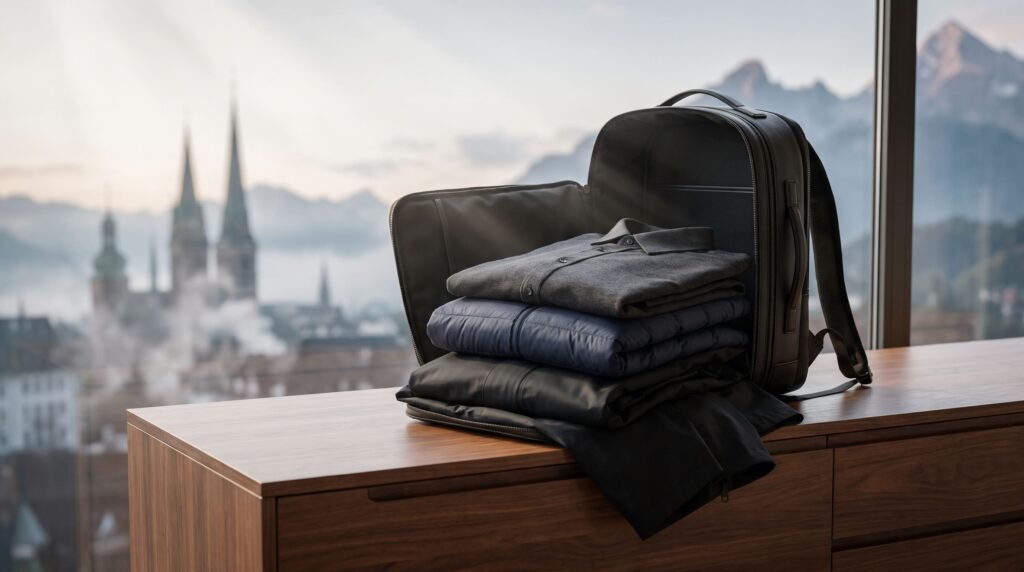
You are staring at an open suitcase, trying to predict the weather across three different cities, and contemplating cramming four bulky sweaters into a carry-on bag. There is a better way. The secret to traveling seamlessly through changing climates without checking luggage is not packing more clothes; it is packing smarter fabrics.
Mastering layering for travel means moving away from single-use, bulky garments and embracing a functional, versatile system. A well-designed travel layer stack manages moisture, traps body heat, blocks harsh winds, and transitions smoothly from outdoor excursions to evening dinners.
Whether you are navigating the unpredictable shoulder seasons in Europe or moving between heavily air-conditioned airports and tropical humidity, this guide breaks down exactly how to build a high-performance travel capsule wardrobe that fits in a single backpack or carry-on.
The Anatomy of the Perfect Travel Layering System
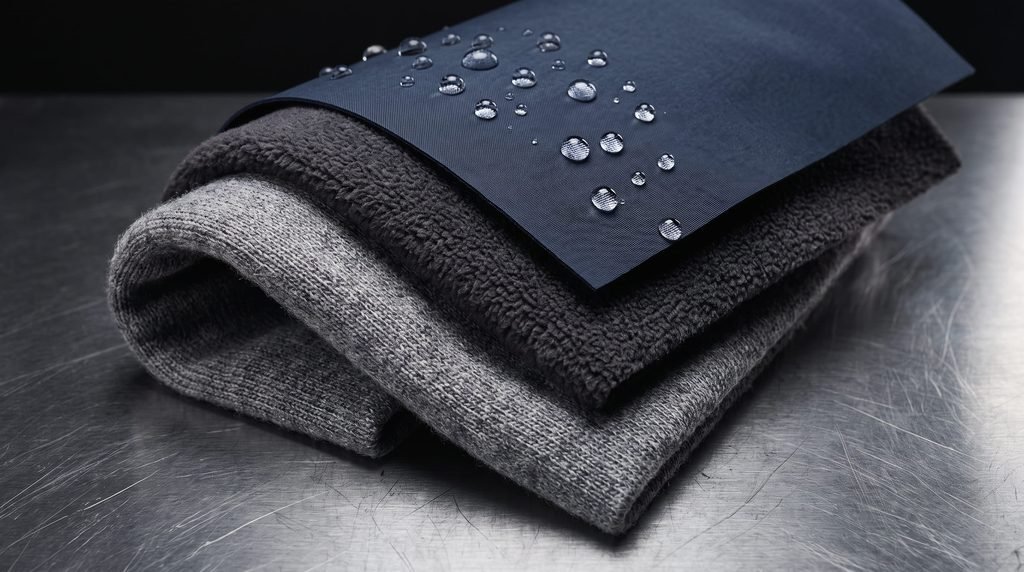
A successful packing strategy relies on a three-tier approach. Instead of bringing heavy winter coats or multiple thick hoodies, you build warmth through strategic, breathable layers.
The Base Layer: Moisture and Comfort
The foundation of your outfit sits directly against your skin. Its primary job is not actually to keep you warm, but to regulate your body temperature by wicking sweat away. If your base layer holds onto moisture, you will feel a chill the moment the temperature drops or the wind hits you.
- Best Materials: Merino wool is the gold standard for travel because it naturally resists odors, regulates temperature in both hot and cold environments, and requires very infrequent washing. High-quality synthetics (like polyester blends) are an excellent budget-friendly alternative that also dry quickly.
- What to Avoid: Cotton. Cotton absorbs moisture, dries incredibly slowly, and will leave you feeling damp and cold.
- Pack Count: 2 to 3 well-chosen base layers are usually sufficient for trips of any length, provided you can do a quick sink wash.
The Mid Layer: Heat Trapping and Insulation
Your mid layer acts as the furnace of your travel wardrobe. It captures the warmth generated by your body and prevents it from escaping. The best travel mid layers provide maximum warmth with minimum bulk.
- Best Materials: Micro-fleece, cashmere, lightweight merino wool sweaters, or packable down/synthetic puffer vests and jackets.
- Budget vs. Investment: A standard synthetic fleece is highly affordable, vegan, and stays warm when wet. However, an ultralight goose-down jacket packs down to the size of an orange, making it the superior investment for strict one-bag travelers.
- Pack Count: 1 to 2 mid layers. One casual athletic layer (like a fleece) and one elevated layer (like a sleek merino cardigan) cover all scenarios.
The Outer Layer: Weather Protection
Also known as the shell, the outer layer is your armor against the elements. It does not need to be heavily insulated if your mid layer is doing its job. Its sole purpose is to block wind, rain, and snow from penetrating the inner layers.
- Best Materials: Gore-Tex, nylon, or treated waterproof canvas. Look for garments with sealed seams and reliable UPF ratings.
- Style Considerations: A sleek, unlined trench coat or a matte-black minimalist rain shell looks much better in a city environment than a brightly colored, heavily branded mountaineering jacket.
- Pack Count: exactly 1 versatile shell.
The Secret Weapon: Micro-Layers
Many travelers entirely overlook the most space-efficient warmth you can pack. Micro-layers—accessories that cover your extremities—take up practically zero room in a carry-on but dramatically alter your comfort level.
- Merino Wool Buff or Scarf: Seals the gap at your neck where cold air easily enters. A dark-colored scarf also dresses up a basic outfit for an evening out.
- Lightweight Gloves: Thin liner gloves provide immediate relief on brisk morning walks or drafty train rides.
- Packable Beanie: Heat escapes quickly from an exposed head. A thin wool beanie adds significant warmth without requiring a thicker jacket.
The Golden Rules of Travel Layering
The Social Formality Requirement
When building your system, consider the “social formality” of your destination. Technical outdoor gear is highly functional but often looks out of place in European museums, upscale restaurants, or business casual settings. To bridge the gap, stick to neutral, dark colors (black, navy, charcoal, olive). Choose matte fabrics over shiny synthetics, and opt for tailored fits over baggy athletic wear. A sleek black packable puffer vest under a charcoal rain shell looks sophisticated; a bright neon hiking jacket does not.
The Pre-Trip Fit Stack Test
Before you zip your suitcase, you must perform the Fit Stack Test. Put on your base layer, put your mid layer over it, and finally, put on your outer shell.
- Can you comfortably cross your arms?
- Are the sleeves of your base layer poking out awkwardly past your mid layer?
- Does the outer jacket zip up easily without feeling restrictive?
If the combination restricts your movement or feels suffocating, your mid layer is too bulky, or your outer shell is tailored too tightly.
Building Your Layering Capsule by Climate
Use this guide to determine exactly what needs to go into your carry-on based on your destination’s expected weather conditions.
| Climate Type | Base Layer Strategy | Mid Layer Strategy | Outer Layer Strategy |
| Tropical / Hot | 2-3 ultralight, moisture-wicking tees (merino or synthetic). | 1 lightweight, breathable long-sleeve (for aggressive air conditioning). | 1 ultra-thin, packable windbreaker or unlined rain shell. |
| Temperate / Shoulder | 2-3 mid-weight tees or long-sleeves. | 1 packable puffer vest OR 1 merino wool sweater. | 1 water-resistant jacket or classic trench coat. |
| Cold / Freezing | 2 thermal long-sleeve tops + 1 thermal legging (for under pants). | 1 thick fleece + 1 heavy down jacket (wear the down on the plane). | 1 fully waterproof, wind-blocking hardshell. |
FAQs
1. How many base layers do I actually need for a two-week trip?
You only need two to three base layers, regardless of the trip length. If you choose odor-resistant fabrics like merino wool, you can wear them multiple times between washes. Simply hand-wash one in the hotel sink at night, hang it to dry, and wear the alternate the next day.
2. Is merino wool truly worth the high price tag for travel?
Yes, if you are committed to packing light. Merino wool regulates temperature beautifully, dries quickly, and naturally fights the bacteria that cause odors. This allows you to pack significantly fewer shirts, which frees up valuable space in a carry-on bag.
3. Can I use a layering system for tropical or hot climates?
Absolutely. In hot climates, layering is about sun protection and managing indoor-outdoor temperature swings. A lightweight, moisture-wicking t-shirt combined with a breathable UPF-rated long-sleeve over-shirt protects your skin from the sun and keeps you comfortable in heavily air-conditioned buses or airports.
4. What is the difference between down and synthetic mid-layers?
Goose or duck down provides the highest warmth-to-weight ratio available and packs down exceptionally small, but it loses its insulating power if it gets wet. Synthetic insulation is slightly bulkier and heavier, but it retains its ability to keep you warm even when completely soaked, making it better for consistently damp environments.
5. How do I layer for travel without looking like I am going hiking?
The trick is to borrow technical fabrics but choose urban silhouettes. Avoid bright neon colors, excessive zippers, and large logos. Stick to a monochromatic or neutral color palette, opt for matte finishes instead of shiny nylons, and choose tailored pieces like a sleek merino cardigan or a fitted trench coat.
Conclusion
Perfecting the art of layering for travel shifts your focus from packing for every possible weather event to packing a single, highly adaptable system. By investing in a moisture-wicking base, an insulating mid layer, and a protective outer shell, you can comfortably navigate everything from a tropical downpour to a freezing mountain evening. Remember to prioritize versatile, neutral pieces, perform your Fit Stack Test before leaving home, and always wear your bulkiest layers on the plane. Pack less, pack smarter, and enjoy the freedom of traveling with just a carry-on.
2 comments